
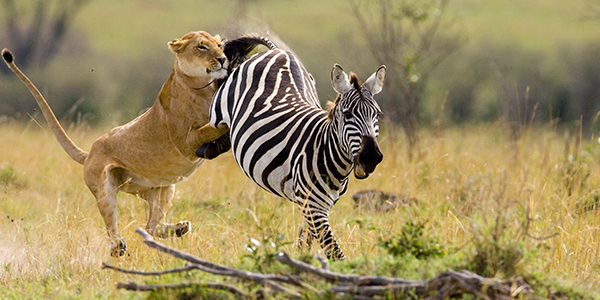
Do wild animals get PTSD? Scientists probe its evolutionary roots
By Sharon Levy Many creatures show lasting changes in behavior and physiology after a traumatic experience. Read more.
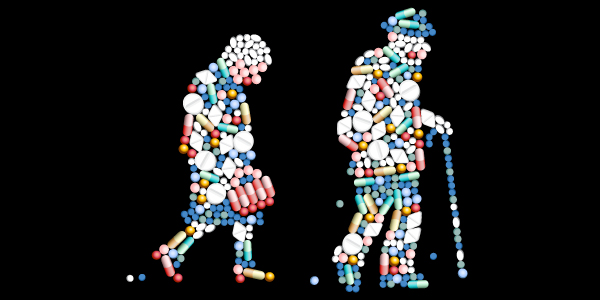
Tackling the growing problem of overmedication
By Helen Santoro Polypharmacy — taking five or more meds at a time — leads to side effects, unnecessary hospitalizations and premature deaths. Researchers and pharmacists are seeking solutions to this serious public health problem that disproportionately affects older adults. Read more.
From the archives
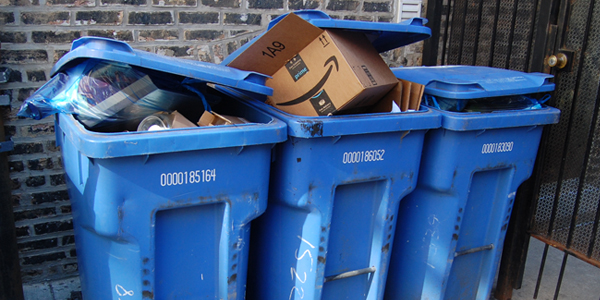
Recycling meets reality
By M. Mitchell Waldrop Candy wrappers and cigarette butts aren’t typically acceptable items for the recycle bin. Yet the company TerraCycle says it recycles these goods and more, Alden Wicker reports at Vox. The company, which has been hailed as “the key to unlocking recycling’s full potential,” is now facing a lawsuit alleging greenwashing — the practice of making environmentally friendly claims that aren’t backed by real action. To get the lowdown on the ins and outs of recycling, take a look at our series.
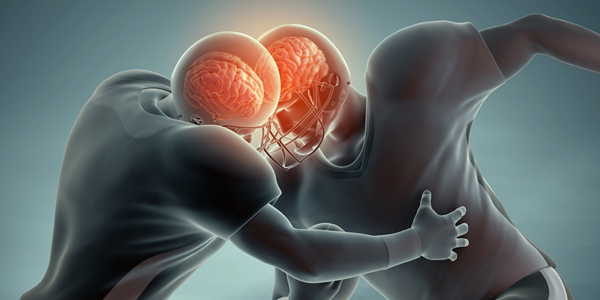
A new way of looking at concussions
By Helen Santoro Female athletes are nearly twice as likely as males to get a concussion, and scientists are chasing various leads to understand why, Katharine Sanderson reports for Nature. For more on what research is revealing about these dangerous hits to the head, see our story on concussions and the lymphatic system.
What we're reading
An ever-warming future “It’s warming. It’s us. We’re sure. It’s bad. But we can fix it.” That’s how one scientist summarizes the latest state-of-the-climate report from the Intergovernmental Panel on Climate Change. Released August 9, the nearly 4,000-page document provides policymakers around the world with CliffsNotes on the latest climate research and forecasting. And the future does not look good, Brady Dennis and Sarah Kaplan report for the Washington Post. “We can no longer avoid some measure of calamity in coming years,” they write. There is little doubt that people are driving climate change, and even the most optimistic outcome — which will require immediate societal changes — will leave us with an altered planet.
Much has been — and will be — written about this and upcoming IPCC reports. So environmental scientist Stephanie Spera at the Conversation offers a primer on what the IPCC is, how these reports are produced and what some oft-used terms mean. If you’re wondering about the difference between representative concentration pathways and shared socioeconomic pathways, she’s got you covered. And while individuals can take steps to reduce their own emissions, she notes, the big lift must come from governments and the 20 fossil-fuel companies responsible for about a third of all greenhouse-gas emissions.
Ghosts in the genetic machine Species that are extinct have, by definition, disappeared forever. But it turns out that, thanks to ancient hybridizations, the genomes of creatures from pigs to bears to bonobos may carry spooky “ghost” lineages: the DNA of relatives long gone. For the Scientist, Christie Wilcox explains how scientists can uncover signs of these ancient dalliances and how ghost lineages may have shaped the evolution of many, many animals — including you and me.
Who pays? Along the edge of the San Francisco Bay, rising waters imperil not only the campuses of Facebook and Google but also nearby low-income communities — a threat visualized in an interactive multimedia story reported by Lauren Sommer for NPR. The city of East Palo Alto is putting 13 percent of its annual budget toward levees; Facebook is contributing just 0.009 percent of its 2020 revenues. The challenges unfolding in Silicon Valley mirror those of many coastal communities that are struggling to pay for infrastructure to hold back rising sea levels. “Is fair share based on how much risk you’re facing?” asks one disaster researcher. “Is it based on your ability to pay? This is a problem because there’s no scientific answer. This is ethics.”
Art & science
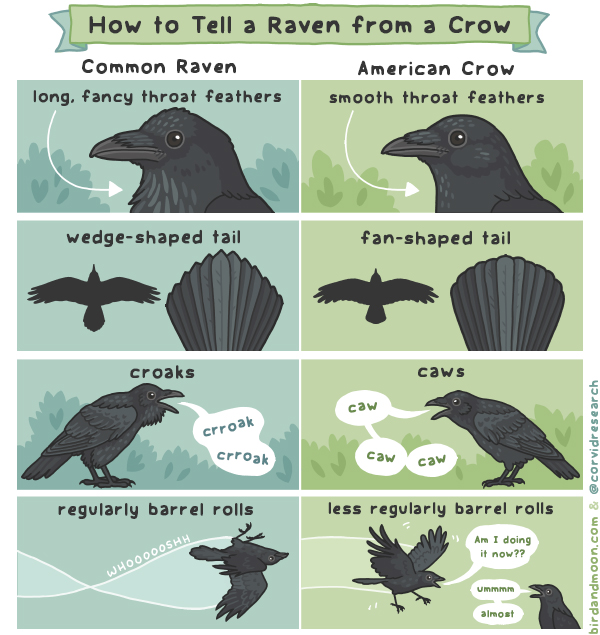
CREDIT: BIRDANDMOON.COM & @CORVIDRESEARCH
Ranting and raving For many of us, crows and ravens are hard to tell apart: Both are somber black birds that strike a distinguished pose. But only one of them graced Odin’s shoulders and haunted poor Edgar Allan Poe’s imagination. Can’t tell which one? Fear not. Kaeli Swift, an avian ecologist at the University of Washington, walks the casual observer through features — both visual and audible — that aid in telling apart the two creatures. Some of those traits, from the notable size difference (ravens are, on average, twice the size of their cousins) to variations in plumage, are illustrated here by science writer and naturalist Rosemary Mosco in a comic featured on Swift’s research blog. Visit it to learn more; there are sound bites full of croaks and caws for the curious. Sadly, none say “nevermore.”