



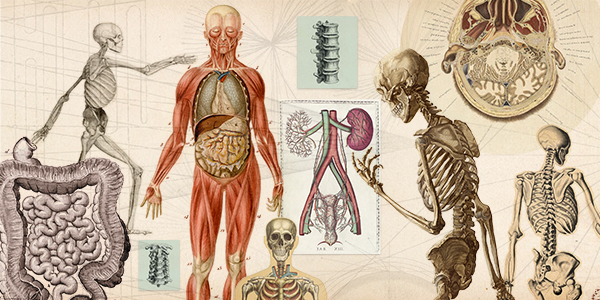
Fun facts about bones: More than just scaffolding
By Amber Dance A new vision of the skeleton as a dynamic organ that sends and receives messages suggests potential therapies for osteoporosis and other problems Read more
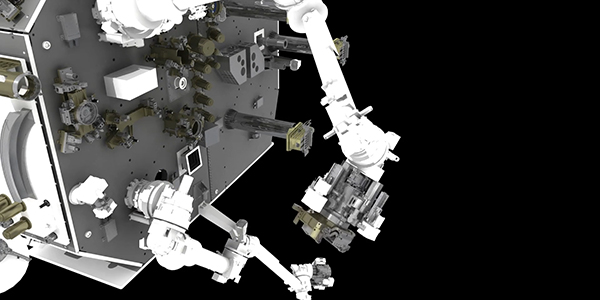
Orbiting robots could help fix and fuel satellites in space
By Kurt Kleiner Machines that grip, grapple and maneuver will soon have their go at maintaining the fleet of small spacecraft that encircle Earth Read more
Registration now open

Wednesday, March 23, 2022: 9AM Honolulu / 12PM San Francisco PST / 3PM New York EST
In the US today, prisons are considered an entrenched part of the criminal justice system, yet they are a relatively modern way of dealing with crime. How have society’s attitudes toward punishment shifted over time and why does it matter?
What we’re reading
New carbon scrubber
Carbon dioxide levels in the air keep climbing, with 2021 bringing the highest levels in at least the past 800,000 years. Though still expensive and limited in number, carbon capture and storage technologies are seen as one solution, and many scientists are focused on how to make carbon capture more efficient and less costly. One hopeful note from that quarter is a new electrochemical method originally developed for desalination that has been tweaked to pull carbon dioxide from the air or flue gas a hundred times as fast as existing systems, Prachi Patel writes in Chemical & Engineering News. If it can be scaled up, scientists estimate it would cost less than a third of the mainstream systems now in use.
Overdoing cancer screening
Reminding us once again that too much of anything can be bad for you: David Ropeik, in an opinion piece in STAT, points out that while cancer screening can and does save lives, generic recommendations for tests such as mammograms and prostate specific antigen tests may cause more harm than good. The data showing benefits for some screens are often limited to middle-age, for example, and yet millions of younger and older people still undergo them regularly. The consequences include overdiagnosis — when harmless cancers are found — and aggressive treatments that risk hurting patients more than their cancer would. Beyond that, Ropeik estimates that needless treatments from overscreening cost the US health-care system an annual $16 billion. What drives these unnecessary screenings? People’s deep fear of cancer.
Going male to save the natives
There are legions of examples of introduced species going rogue (kudzu, anyone?), as well as many well-intended bio fixes ending badly (Google “cane toads”). Writing for BioGraphic, Jeremy Miller touches on both issues as he details an effort to save native cutthroat trout in the Western US. At issue is an invasive brook trout, which biologists hope to battle by stocking streams with super-males (brook trout bred in the lab to have only “YY” chromosomes) that can’t produce female offspring. The effort is having some success: “By the end of the second spawning season, in 2020, 75 percent of the fish captured in Leandro Creek were male,” Miller reports. But whether the intensive effort will save the cutthroat or lead to another regretful example of manipulating nature remains an open question.

Art & science
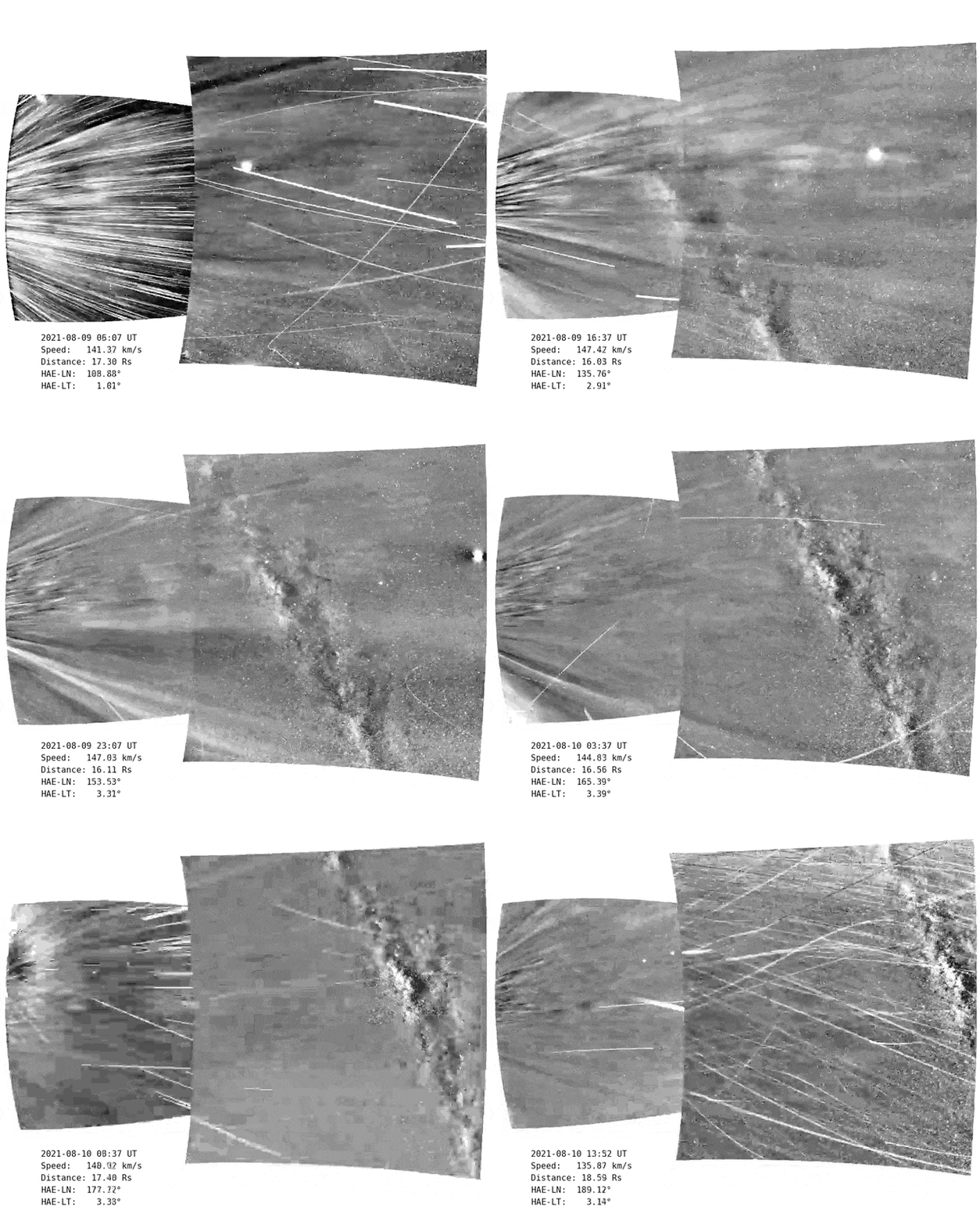
CREDIT: NASA / JOHNS HOPKINS APL / NAVAL RESEARCH LABORATORY
Touching the sun This dizzying black-and-white time-lapse of erratic light streaks isn’t a sneak peek at an upcoming sci-fifilm — it’s a rare glimpse of the Sun’s upper atmosphere. After three years and eight failed attempts, NASA’s Parker Solar Probe successfully dipped into the Sun’s corona late last year and became the first spacecraft to capture images inside the solar halo.
The dancing streaks of light, known as coronal streamers, are part of the Sun’s magnetic field and are often visible from Earth during total solar eclipses. On its journey to and from the Sun, the probe also captured images of the Milky Way, Earth and other planets. “The opportunity for new discoveries is boundless,” says Nicky Fox, director of NASA’s Heliophysics Division.