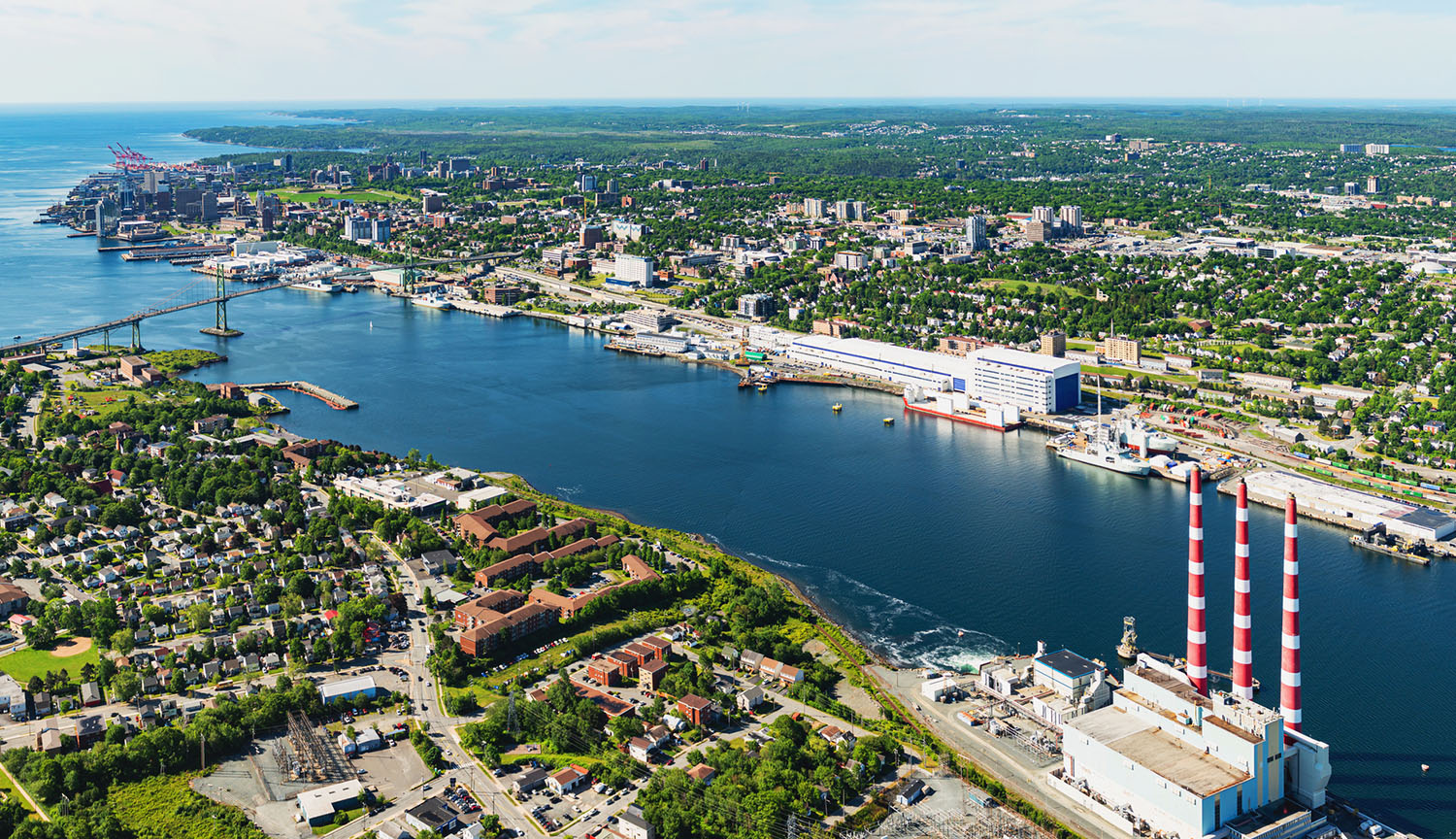
Scientists are exploring new algorithms, hardware and computing methods to lower AI’s power demands. Strategic siting of data centers and other steps to increase green energy use are also key.
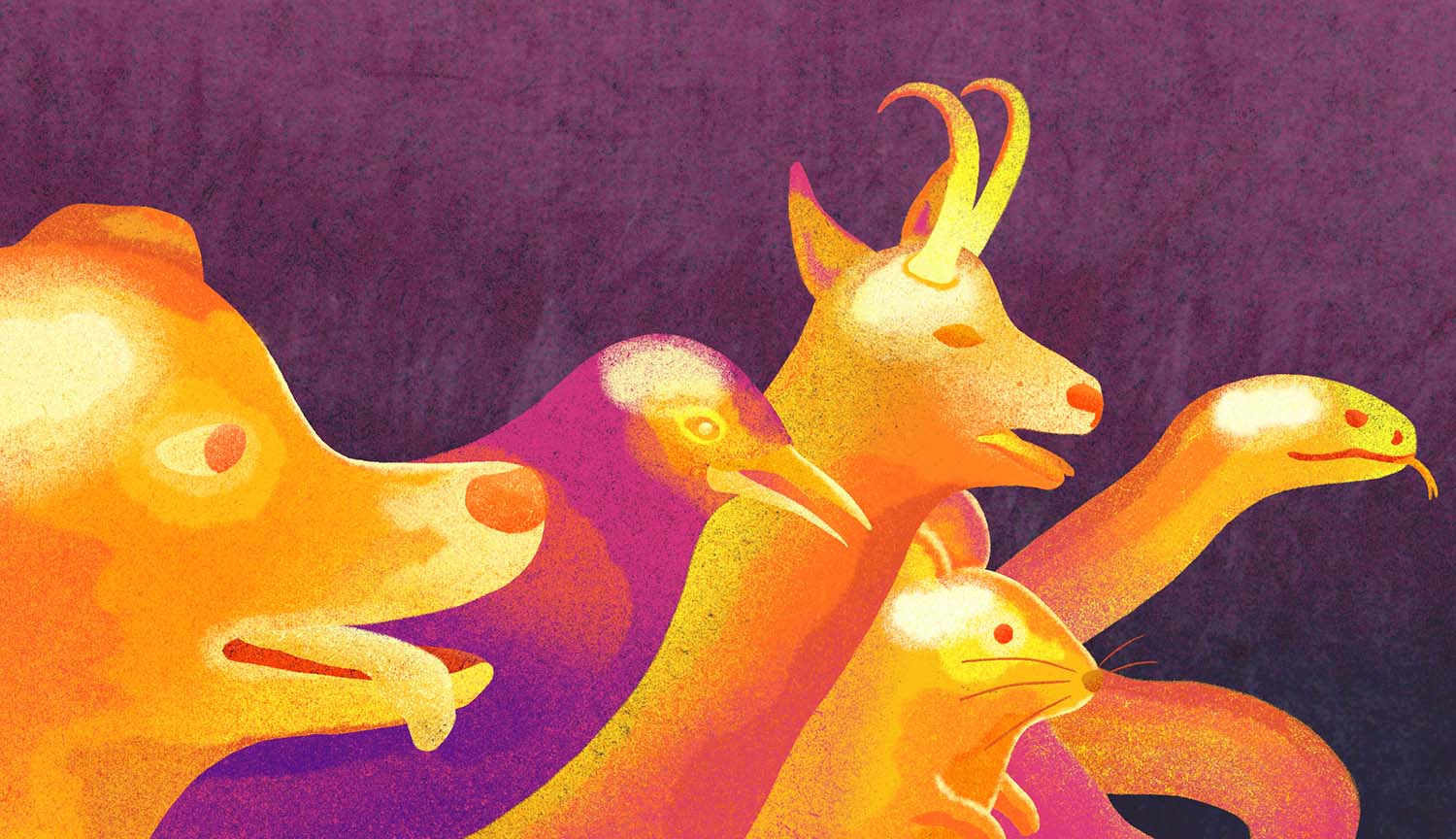
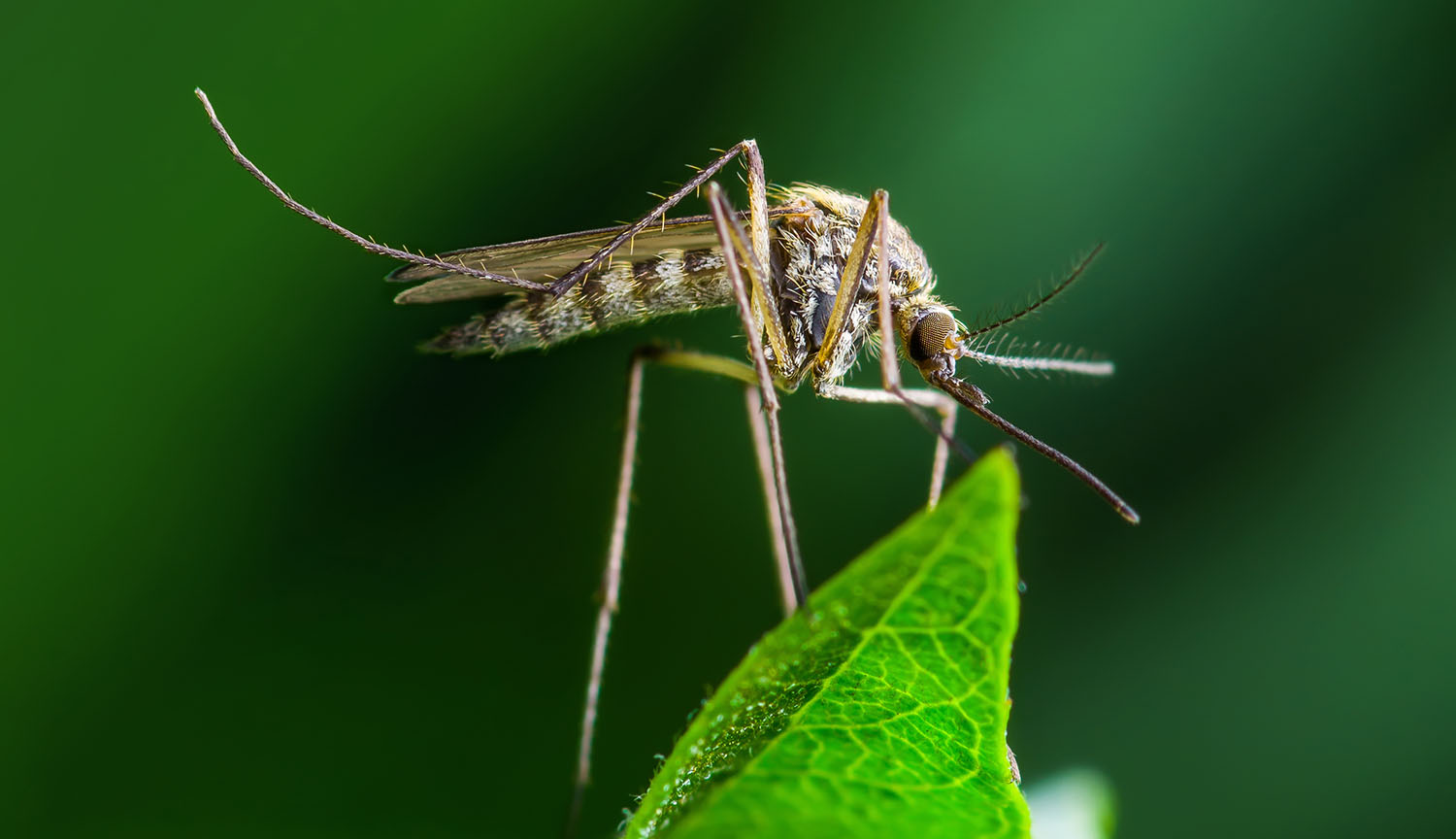
As temperatures rise, some creatures pick fights while others struggle to learn. The consequences of these behavioral changes may ripple through ecosystems.
Una vez que el calentamiento global alcance su punto máximo, se podrían necesitar siglos para que la temperatura vuelva a bajar. Pero podemos frenar el aumento reduciendo las emisiones de combustibles fósiles ahora mismo.
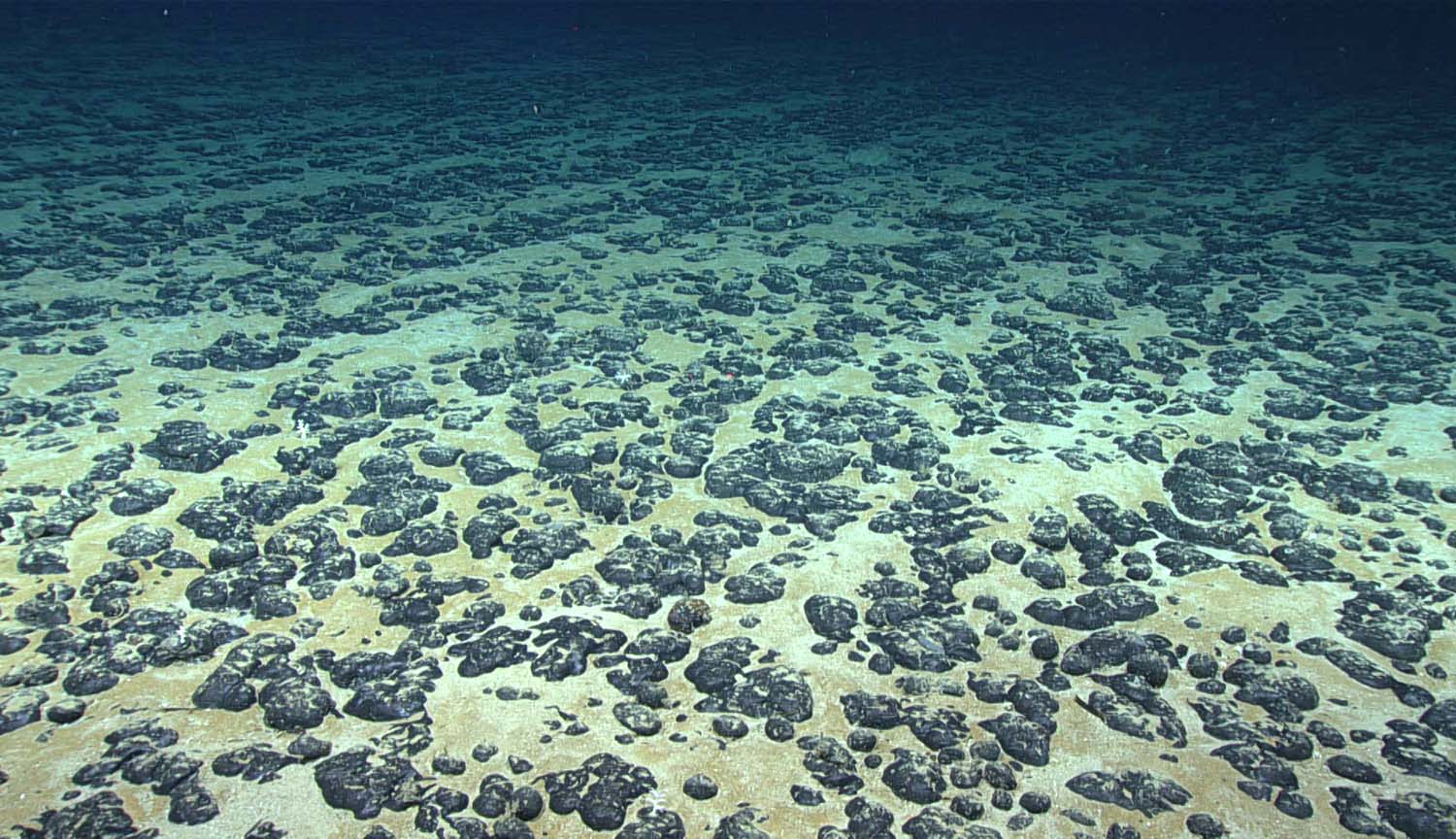
Para mantener el calentamiento global en niveles manejables será necesario eliminar el dióxido de carbono de la atmósfera y almacenarlo en otro lugar. Los océanos del mundo pueden ser una opción prometedora.
Keeping global warming to manageable levels will require removing carbon dioxide from the atmosphere and storing it somewhere else. The world’s oceans may be a promising option.
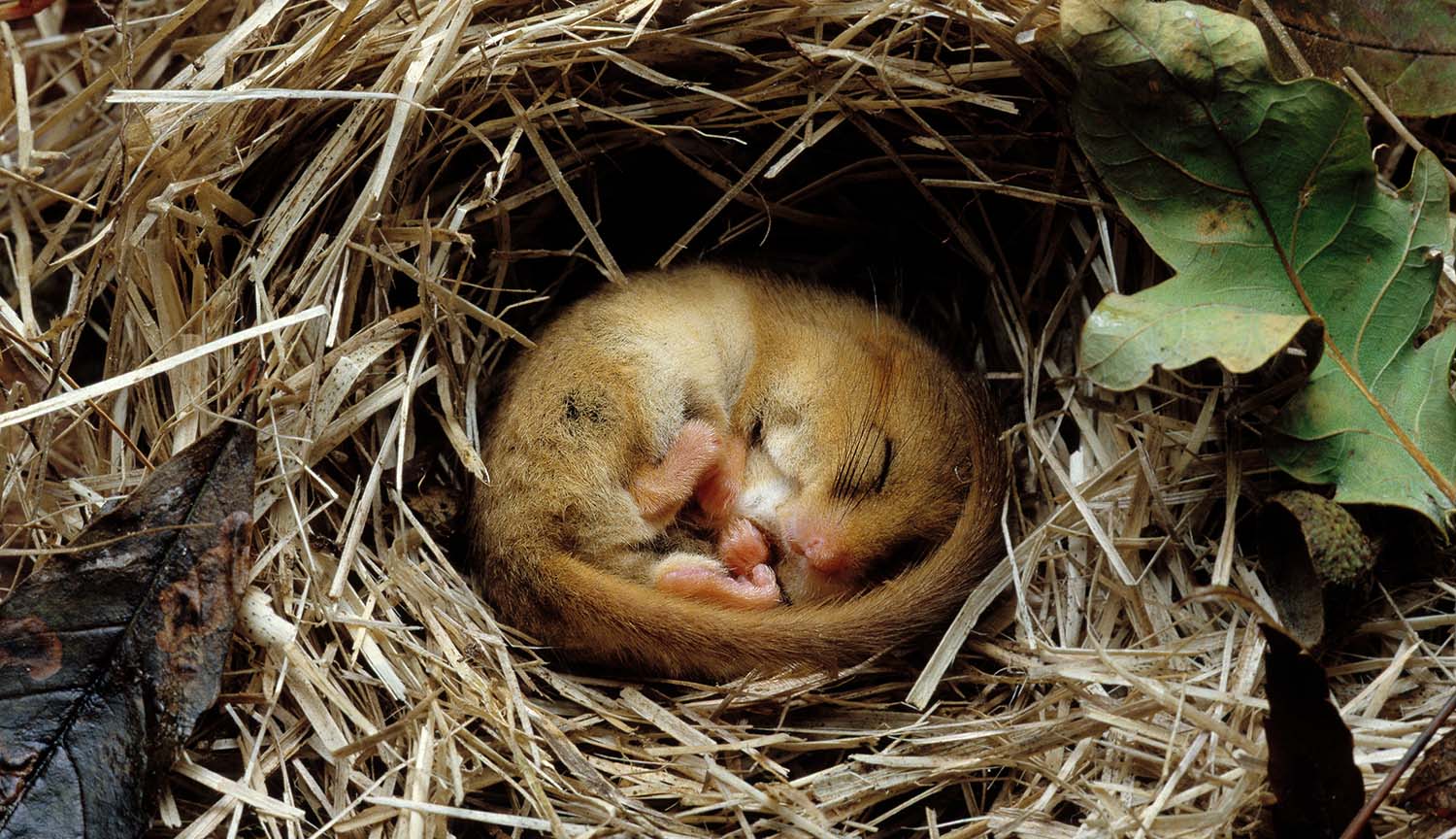
Algunas criaturas pueden alterar drásticamente su temperatura interna —una estrategia denominada heterotermia— y sobrevivir a tormentas, inundaciones y depredadores.
Investigadores han creído desde hace mucho tiempo que, hace unos 5 millones de años, un diluvio repentino y masivo inundó un Mediterráneo seco y salino. Resulta que probablemente eso no ocurrió, aunque sí hubo mucho drama.
Researchers have long believed that a sudden, massive deluge filled a dry, salt-filled Mediterranean some 5 million years ago. Turns out that probably didn't happen, but there was still drama aplenty.
Científicos están descubriendo que las nubes agrupadas intensifican las tormentas de forma sorprendente —provocando lluvias torrenciales y mortales, así como inundaciones—.
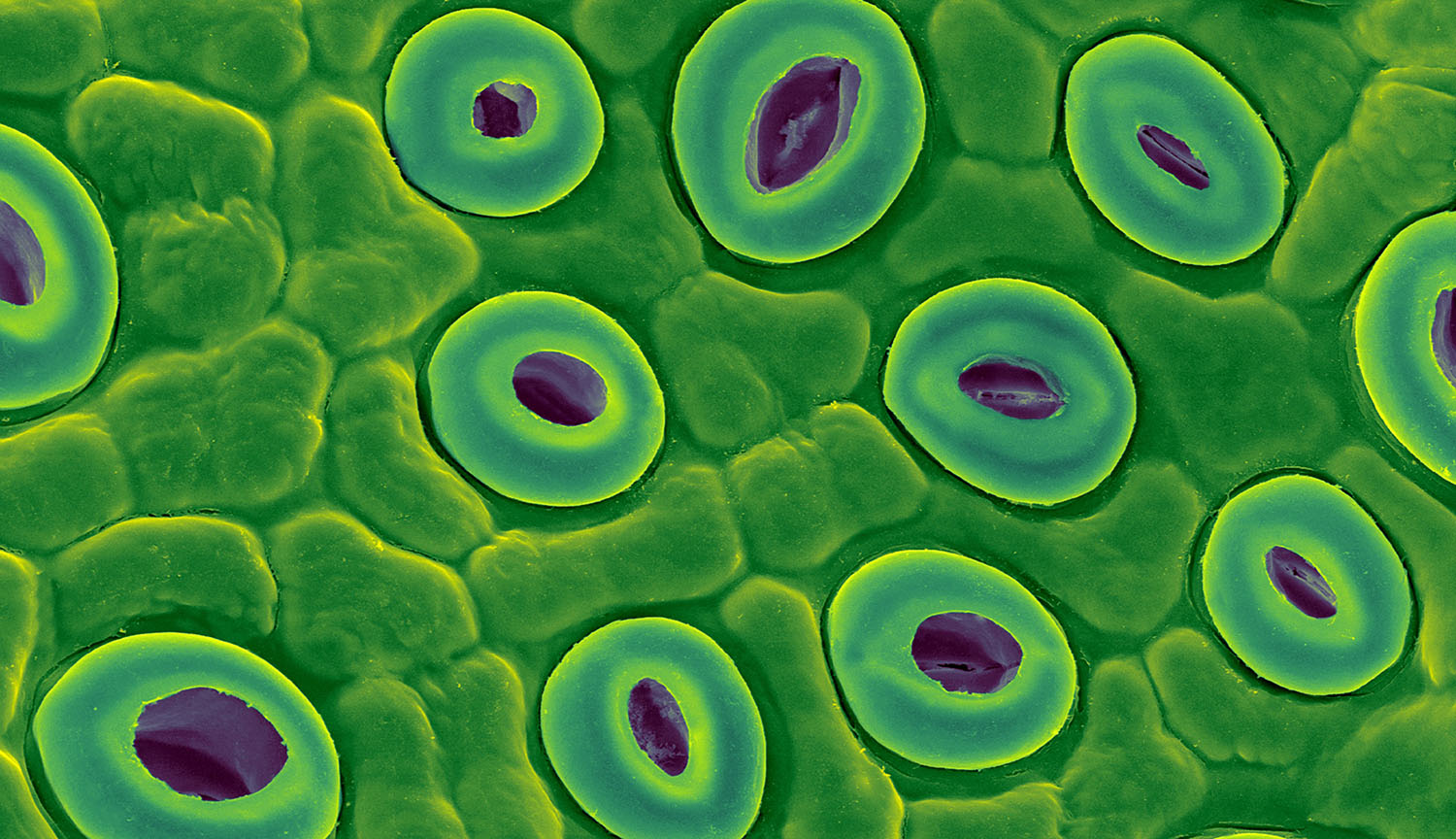
La evidencia aún no es clara, pero investigadores están descubriendo muchas cosas al modificar genéticamente el número de estas aberturas, así como al simular atmósferas futuras y mucho más.
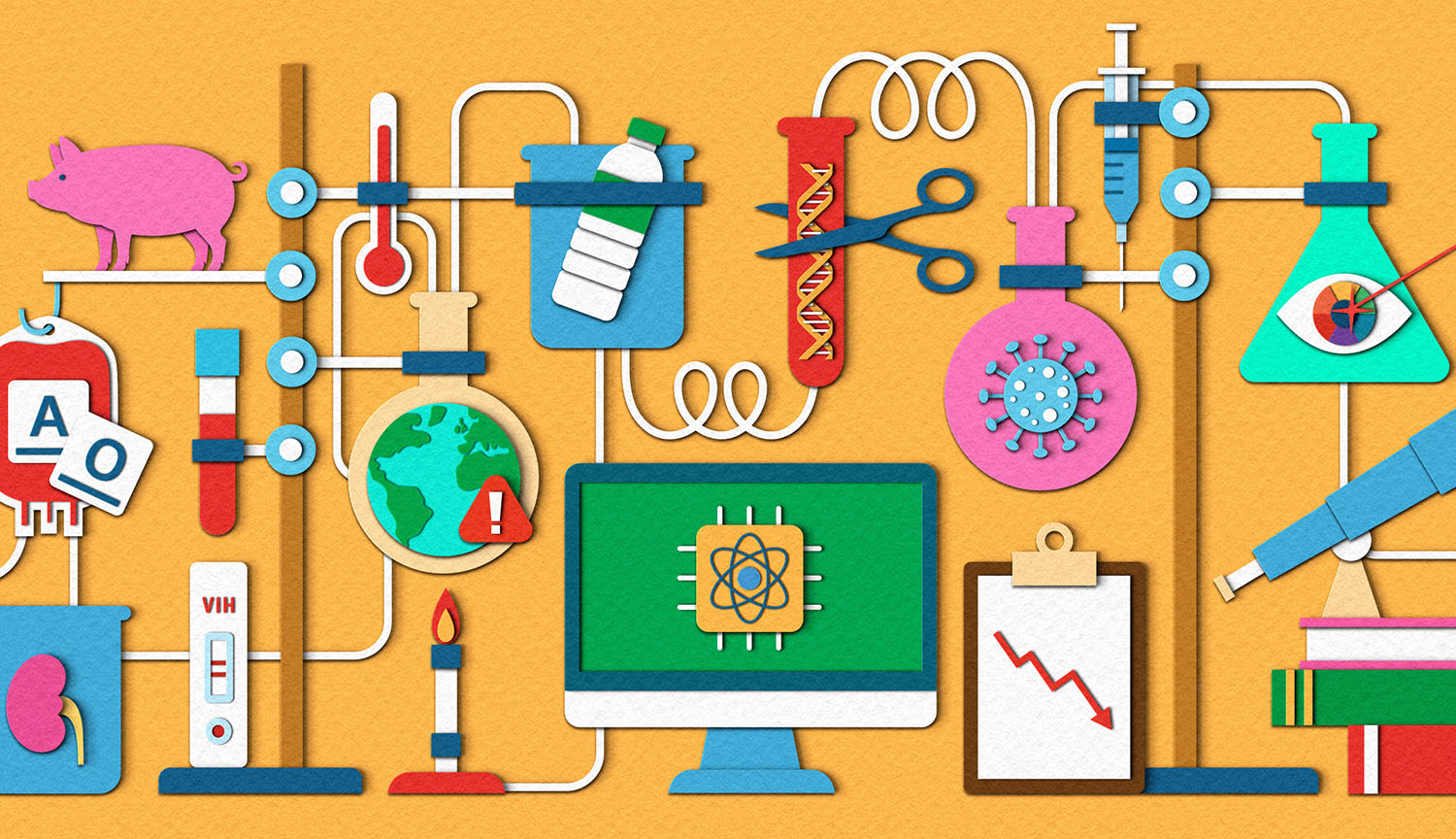
En un año marcado por el caos en el financiamiento de la ciencia, el cambio climático y los peligros de la contaminación, también fuimos testigos del telescopio más potente hasta la fecha, la terapia génica personalizada y el mejor avance hasta la fecha en la búsqueda de una vacuna contra el VIH —sin dejar de lado un nuevo color—.
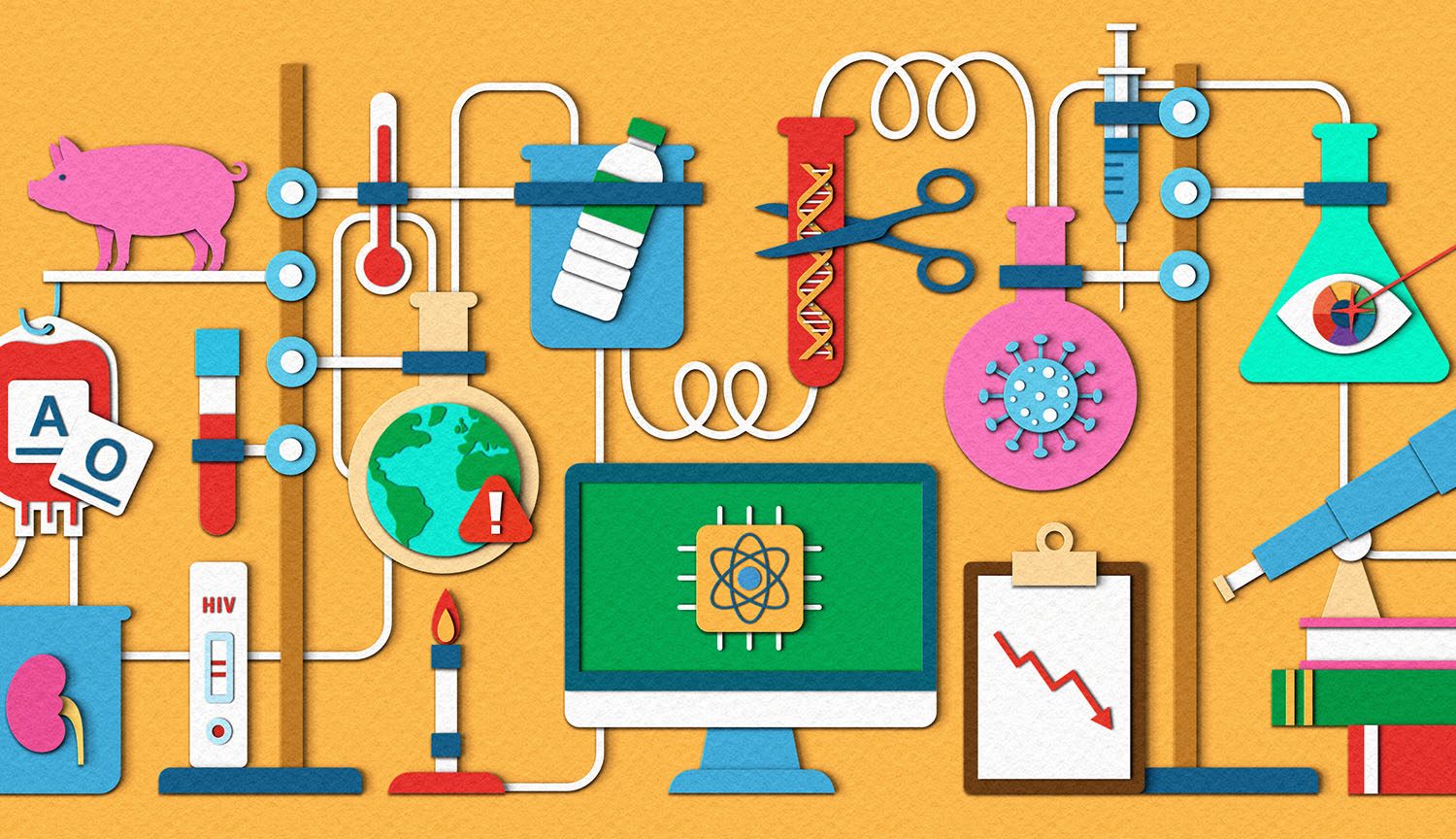
In a year of funding chaos, ongoing climate change and pollution perils, we also saw the most powerful telescope yet, personalized gene therapy, and the next-best-thing to an HIV vaccine — not to mention a brand-new color
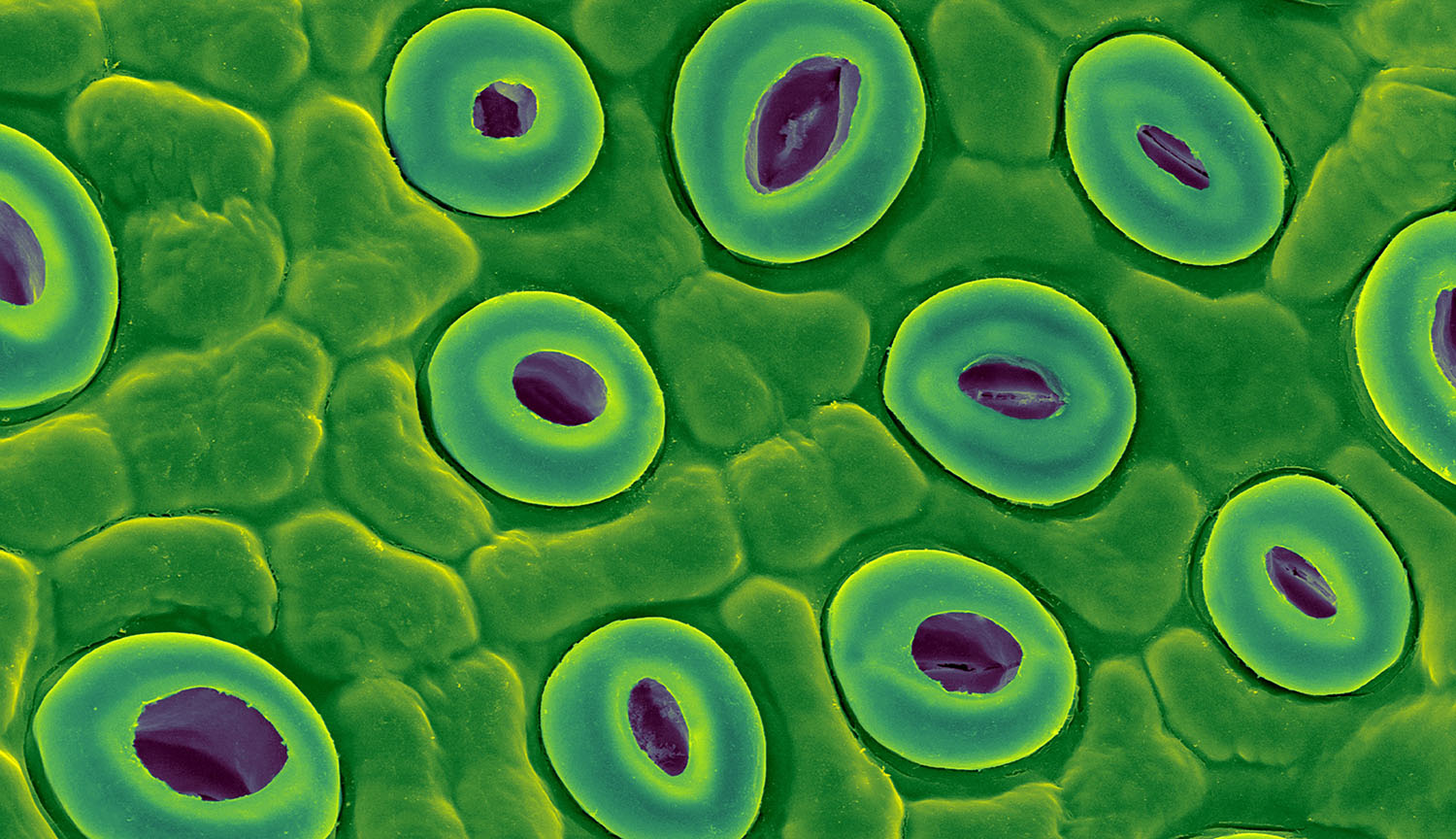
It’s not an open-and-shut case. But researchers are finding out plenty by genetically altering the numbers of these openings, as well as simulating future atmospheres, and more.
Close X
This is not a paywall.
Knowable Magazine is free to read. But just because our articles are free to read doesn’t mean they are free to produce. If you value our trustworthy science journalism, please support it with a donation.