


CREDIT: MARINA MUUN
Teen Brain Bootcamp
A free email course on the science of adolescent brain development
This free mini-email course from Knowable Magazine shines a light on the latest neuroscience underlying executive function development in adolescents, offering practical strategies for educators and anyone else working or interacting with teens, including parents.
Looking for the registration page?
TAKE THE COURSELesson summaries and resources
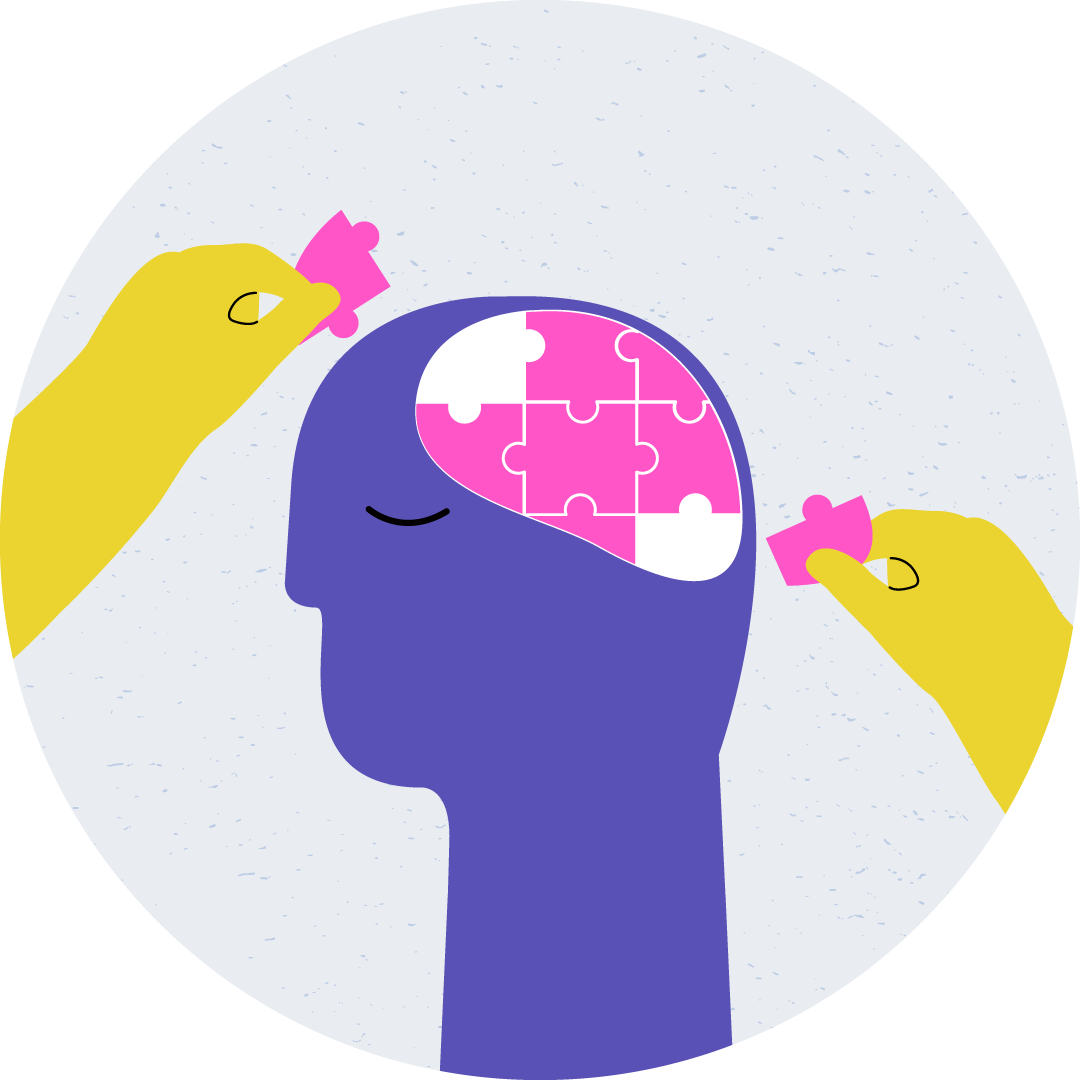
Lesson 1: Cutting through the executive function confusion
Three core skills form the foundation of executive function — inhibitory control, working memory and cognitive flexibility. This lesson explores why adolescence is such an important and exciting period for developing these skills.
Review the lesson
Dig deeper
Teens can have excellent executive function — just not all the time A Knowable Magazine Q&A with developmental cognitive neuroscientist Beatriz Luna.
The Breakthrough Years: A New Scientific Framework for Raising Thriving Teens A deeply researched book by child development researcher Ellen Galinsky reframing adolescence as a critical period for growth, agency and lifelong success.
Key concepts: Core science of adolescence An overview from the UCLA Center for the Developing Adolescent on how brain plasticity makes adolescence a prime time for growth.
Transcendent Thinking May Boost Teen Brains This article in Scientific American by neuroscientist Mary Helen Immordino-Yang explains how reflecting on life’s bigger questions can help integrate adolescents’ brain networks and support their long-term well-being.
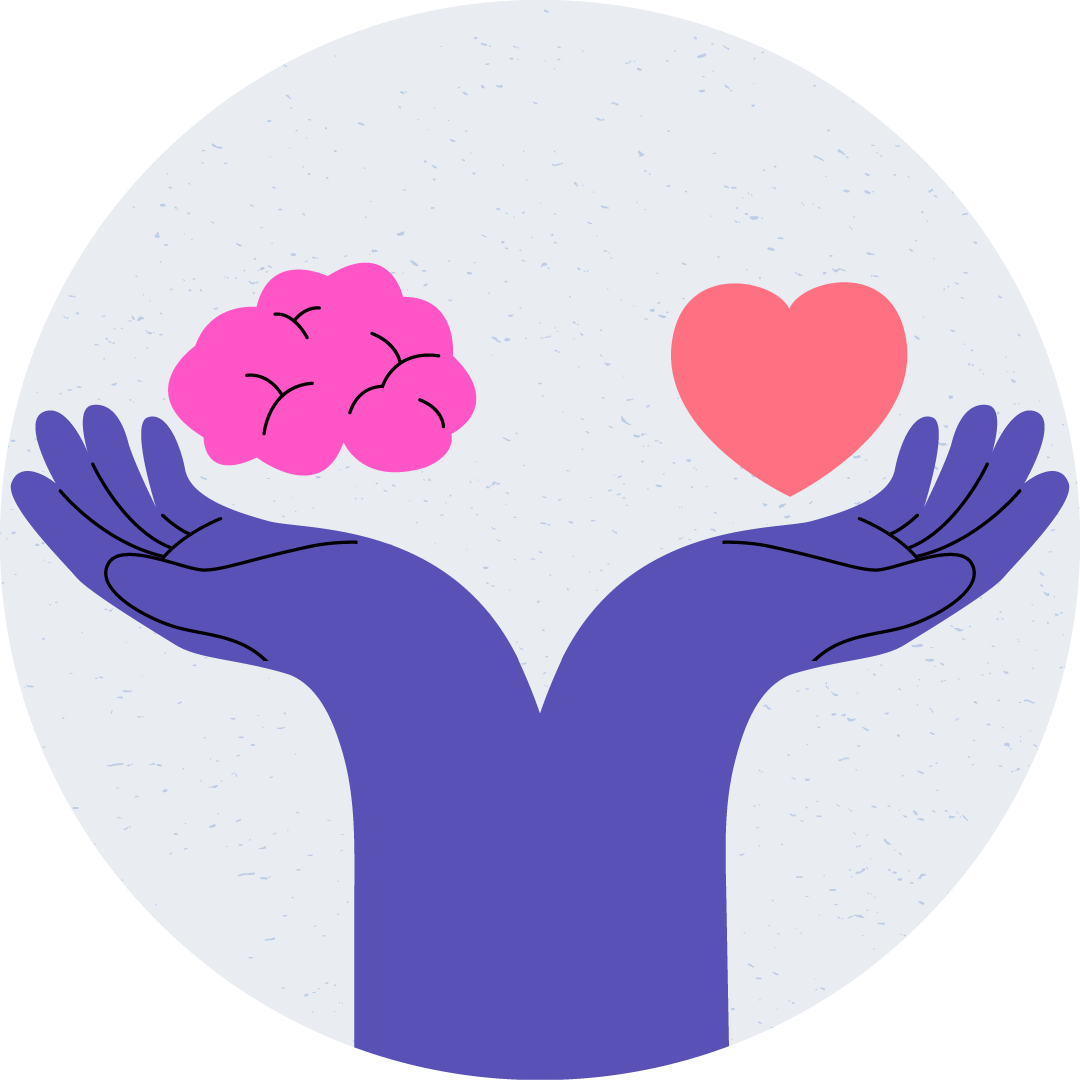
Lesson 2: Dopamine: Myth, legend and reality
A primer on how the brain chemical dopamine fuels motivation, risk-taking and focus in adolescents — and why it’s crucial for learning.
Review the lesson
Dig deeper
The beautiful adolescent brain: An evolutionary developmental perspective Rather than viewing the teen brain as being “unfinished,” this review in the Annals of the New York Academy of Sciences by B.J. Casey, Alexandra Cohen and Adriana Galván reframes it as primed for learning, connection and independence.
Puberty: Your Brain on Hormones This approachable review by Katherine Kabotyanski and Leah Somerville in Frontiers for Young Minds explores how puberty hormones reshape the brain’s processing of emotion, reward and social interaction.
Under-diagnosed and under-treated, girls with ADHD face distinct risks This Knowable Magazine article explores how ADHD in girls and women is often missed, leading to delayed diagnosis and higher emotional risks.
Lesson 3: How relationships shape teen executive function
Learn how a sense of belonging and being valued influence teen brains, making relationships matter more than ever during adolescence.
Review the lesson

Dig deeper
Puberty may reboot the brain and behaviors This Science News Explores article highlights research showing that adolescence can provide an opportunity for the brain to “reset” after early life adversity.
A Neurocognitive Model of Self-Concept Development in Adolescence This Annual Review of Developmental Psychology article by developmental neuroscientist Eveline Crone and colleagues explores how adolescents’ sense of self changes as their brains develop — a process that can help them grow or cause stress, depending on their experiences.
Cultivating purpose in adolescence This report from the UCLA Center for the Developing Adolescent shares practical ideas for adults, schools and communities to help teens build a sense of purpose in all areas of their lives, from school to family and community.

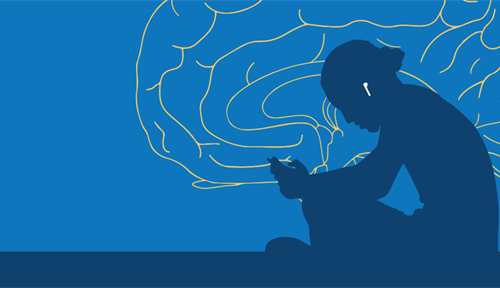
Lesson 4: Beyond the panic: Teens, tech and agency
This lesson explores what’s known — and not known — about how digital media affects executive function and mental health in teens, and what the latest research says about encouraging healthy tech use.
Review the lesson

Dig deeper
Social media and adolescent mental health: A consensus report of the National Academies of Sciences, Engineering, and Medicine This consensus report breaks down what we know about social media’s effects on teen mental health and how to create safer, more supportive digital environments.
Engaging, safe, and evidence-based: What science tells us about how to promote positive development and decrease risk in online spaces This guide from the National Scientific Council on Adolescence offers insights from research on how to make online spaces healthier and safer for kids, especially those in early adolescence.
Lesson 5: Supporting executive function in real classrooms
Find out how brain data from real students challenge assumptions about executive function and learn about practical ways to strengthen skills in the classroom.
Review the lesson

Dig deeper
Conclusions about interventions, programs, and approaches for improving executive functions that appear justified and those that, despite much hype, do not Not all executive function programs are created equal — this review in Developmental Cognitive Neuroscience by Adele Diamond and Daphne Ling identifies evidence-based interventions.
The promise of adolescence: Realizing opportunity for all youth Framing adolescence as a critical time for growth, this report from the National Academies of Sciences, Engineering, and Medicine urges youth-serving systems like schools to use developmental science to support resilience.
Activities Guide: Enhancing and Practicing Executive Function Skills with Children from Infancy to Adolescence A resource from the Center on the Developing Child at Harvard University includes age-appropriate activities for adolescents.
Downloads
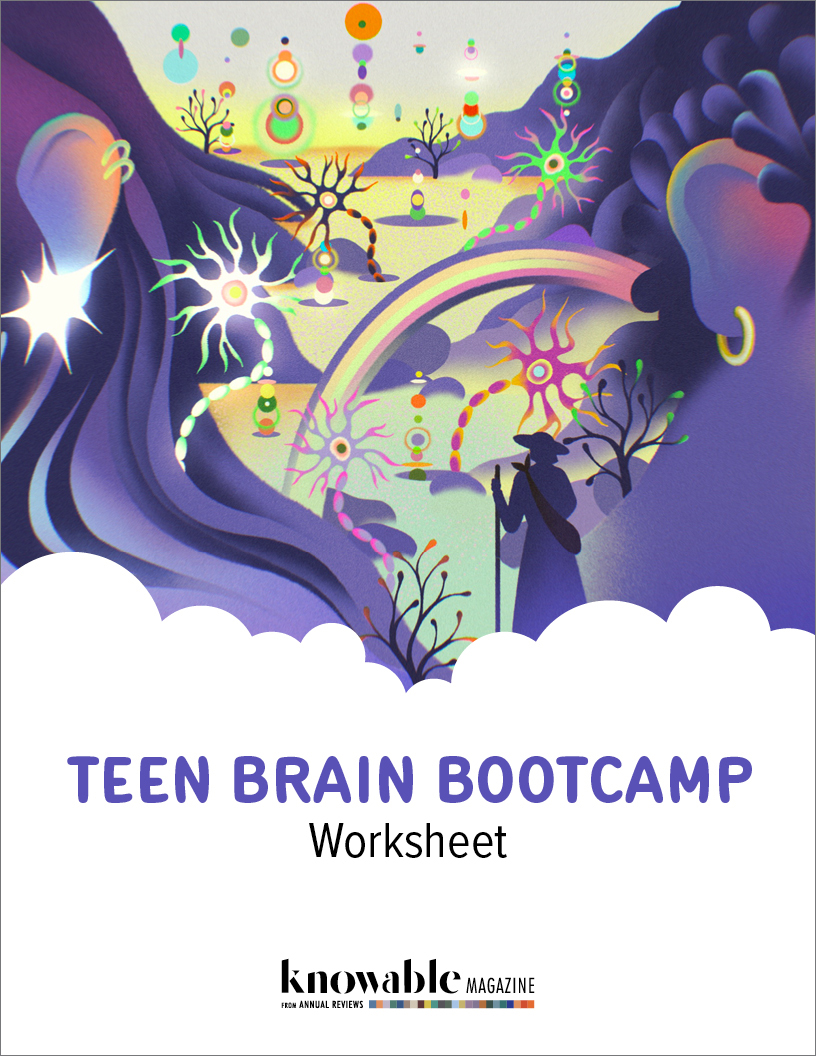
Course worksheet
This worksheet is a companion to the Teen Brain Bootcamp email course, designed to help you reflect on key ideas and apply them in your daily life or work with teens. It includes short activities and journal prompts to deepen your understanding of adolescent executive function and brain development.
DOWNLOAD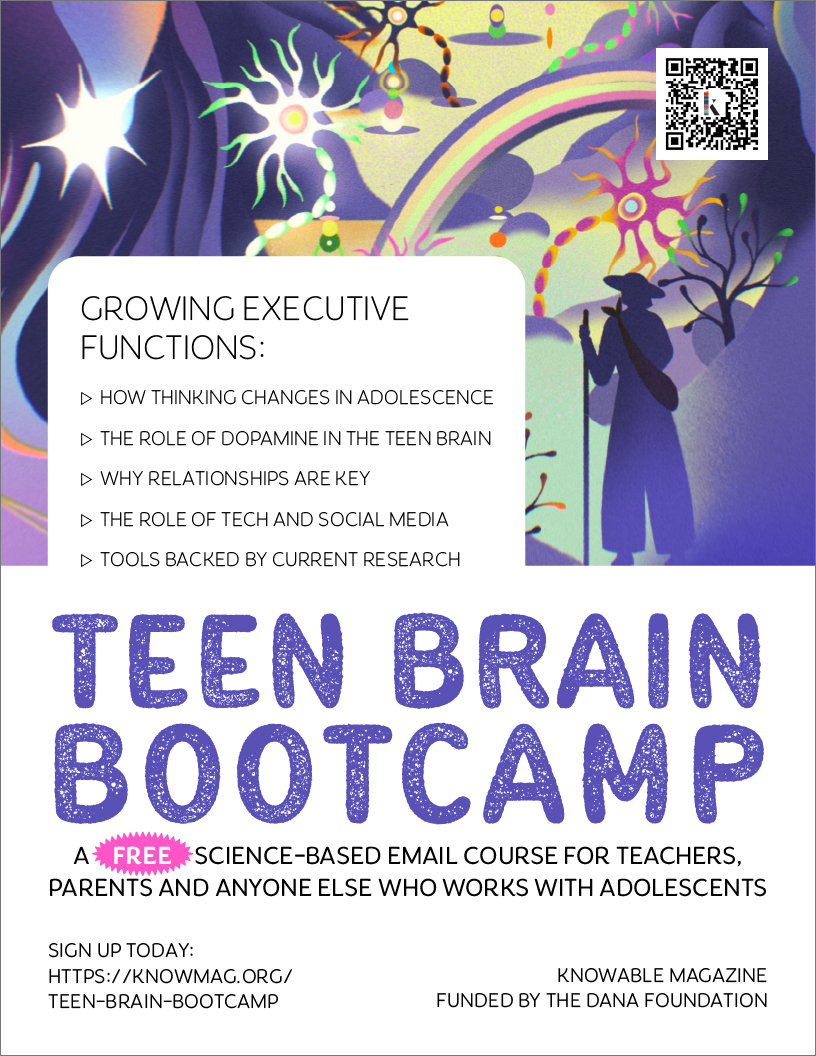
Course poster
Encourage your colleagues to enroll: Download and print this poster to put up in your faculty lounge, community board or anywhere else someone might see it.
DOWNLOADTo gather the information presented in this course, Knowable Magazine interviewed or cited the following researchers:
-
- Adriana Galván, neuroscientist at UCLA
-
- Adele Diamond, developmental cognitive neuroscientist at the University of British Columbia
-
- Arielle Keller, cognitive neuroscientist at the University of Connecticut
-
- Beatriz Luna, developmental cognitive neuroscientist at the University of Pittsburgh
-
- Ellen Galinsky, child development researcher and cofounder of the Families and Work Institute
-
- Eveline Crone, developmental neuroscientist at Leiden University and Erasmus University Rotterdam
-
- Jennie Grammer, developmental cognitive neuroscientist at UCLA
-
- Mary Helen Immordino-Yang, neuroscientist at the University of Southern California
-
- Mizuko (Mimi) Ito, cultural anthropologist at UC Irvine
-
- Monica Luciana, developmental cognitive neuroscientist at the University of Minnesota
-
- Nora Volkow, psychiatrist at National Institute on Drug Abuse
-
- Philip Zelazo, developmental cognitive neuroscientist at the University of Minnesota
-
- Ronald Dahl, developmental scientist at UC Berkeley
-
- Stephen Hinshaw, clinical and developmental psychologist at UC Berkeley
-
Read more in Knowable Magazine




Questions or feedback about the course? Email us.
Knowable Magazine is a nonprofit publication that seeks to make scientific knowledge accessible to all. Knowable is an editorially independent journalistic endeavor published by Annual Reviews. Teen Brain Bootcamp is supported by a grant from the Dana Foundation, a private philanthropic organization dedicated to advancing neuroscience and society.