As temperatures rise, it is the poor who suffer most. The coping strategies of those living in informal settlements may hold lessons for cities of the future.
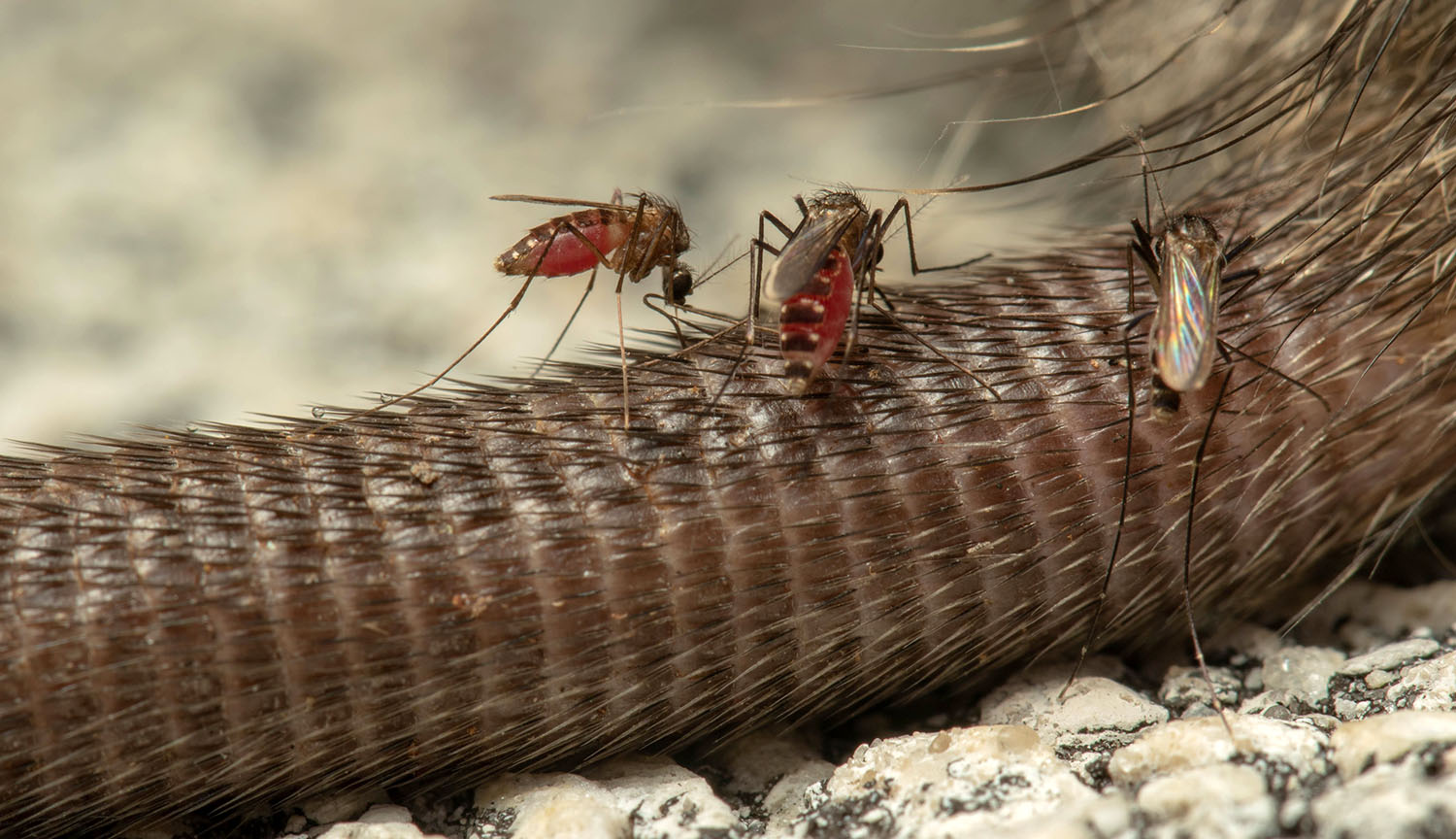
Critters that dine on flesh and waste also consume the animal’s DNA. That genetic material is helping scientists detect and map elusive species and their pathogens.
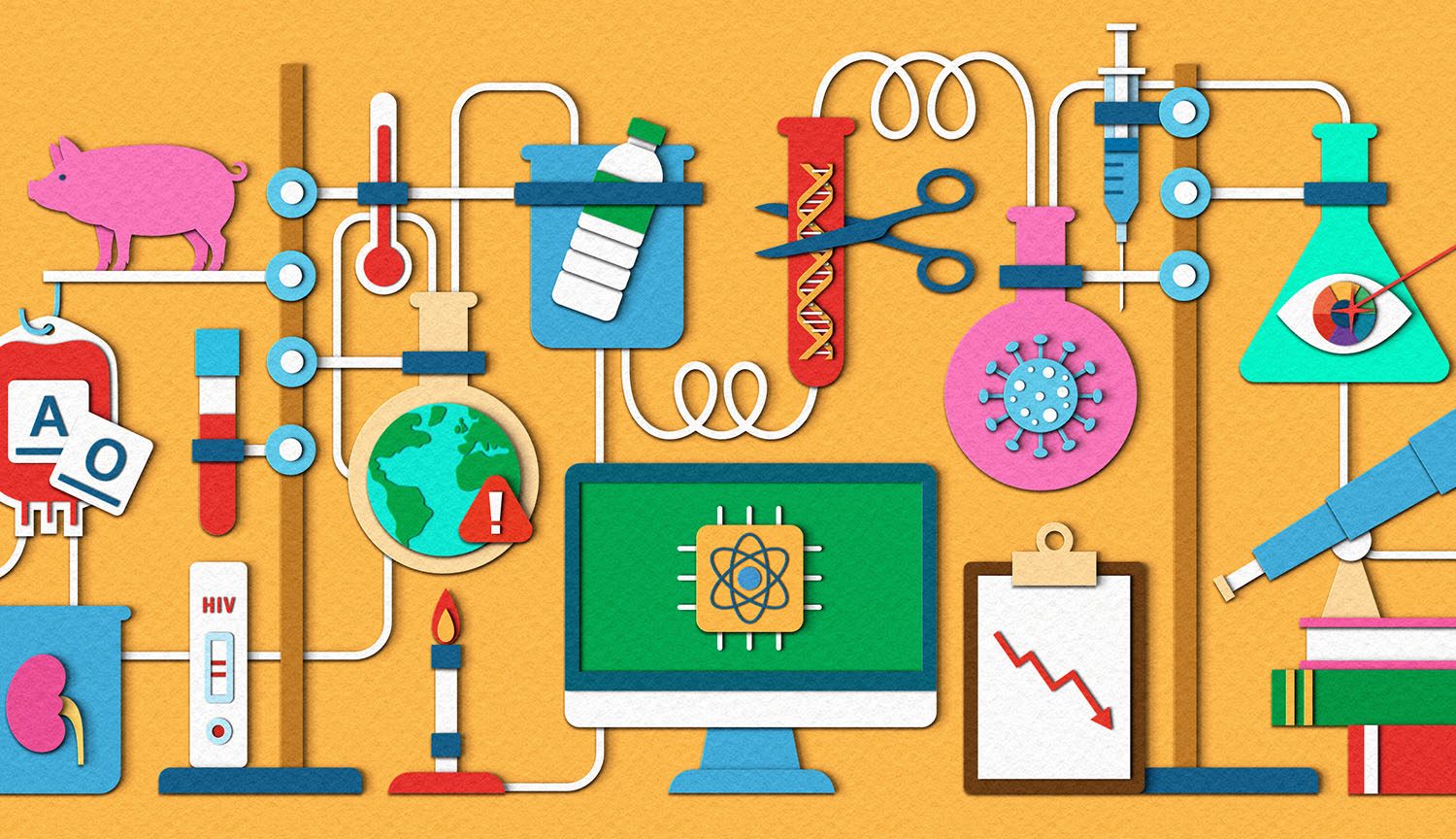
In a year of funding chaos, ongoing climate change and pollution perils, we also saw the most powerful telescope yet, personalized gene therapy, and the next-best-thing to an HIV vaccine — not to mention a brand-new color
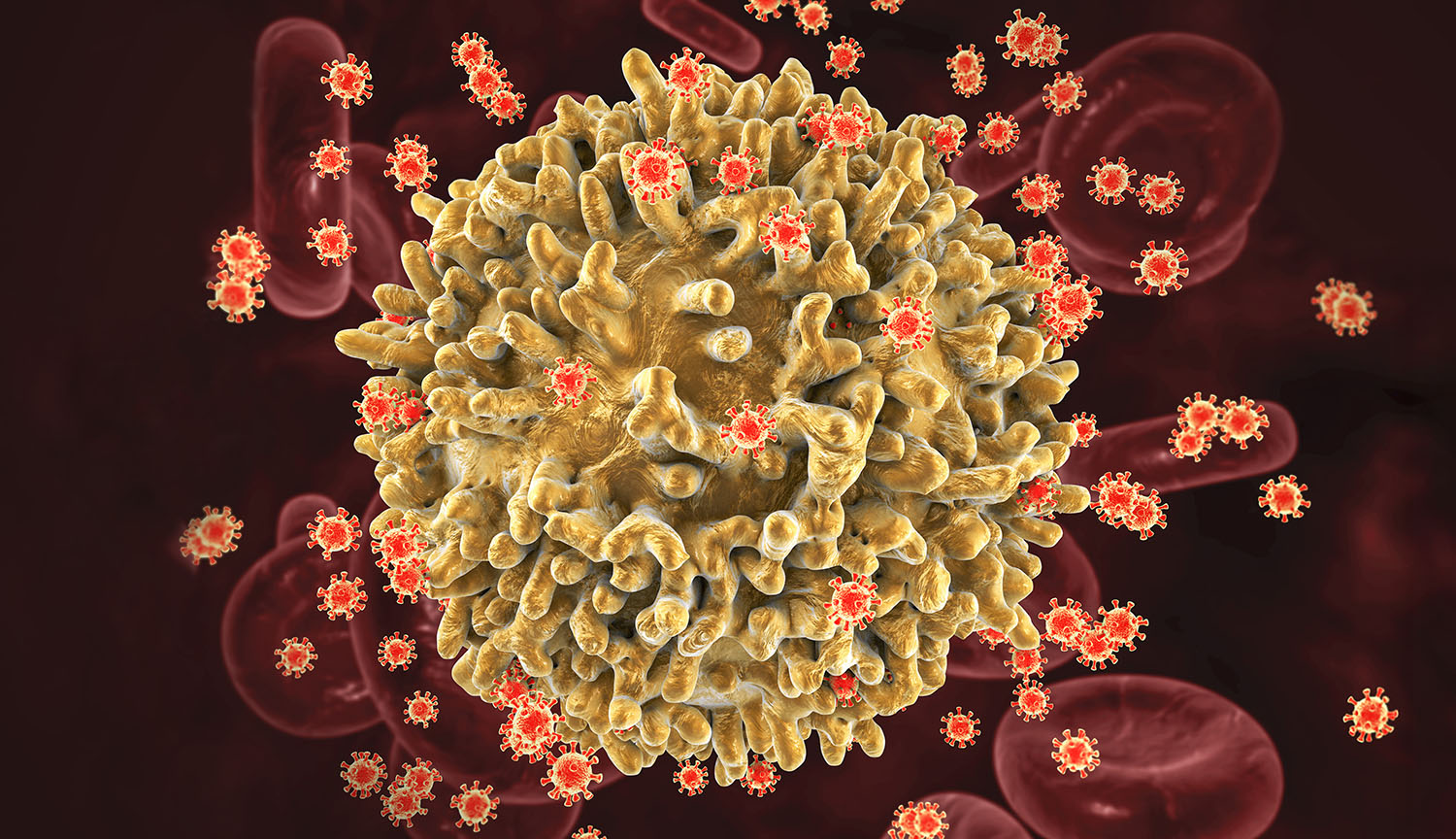
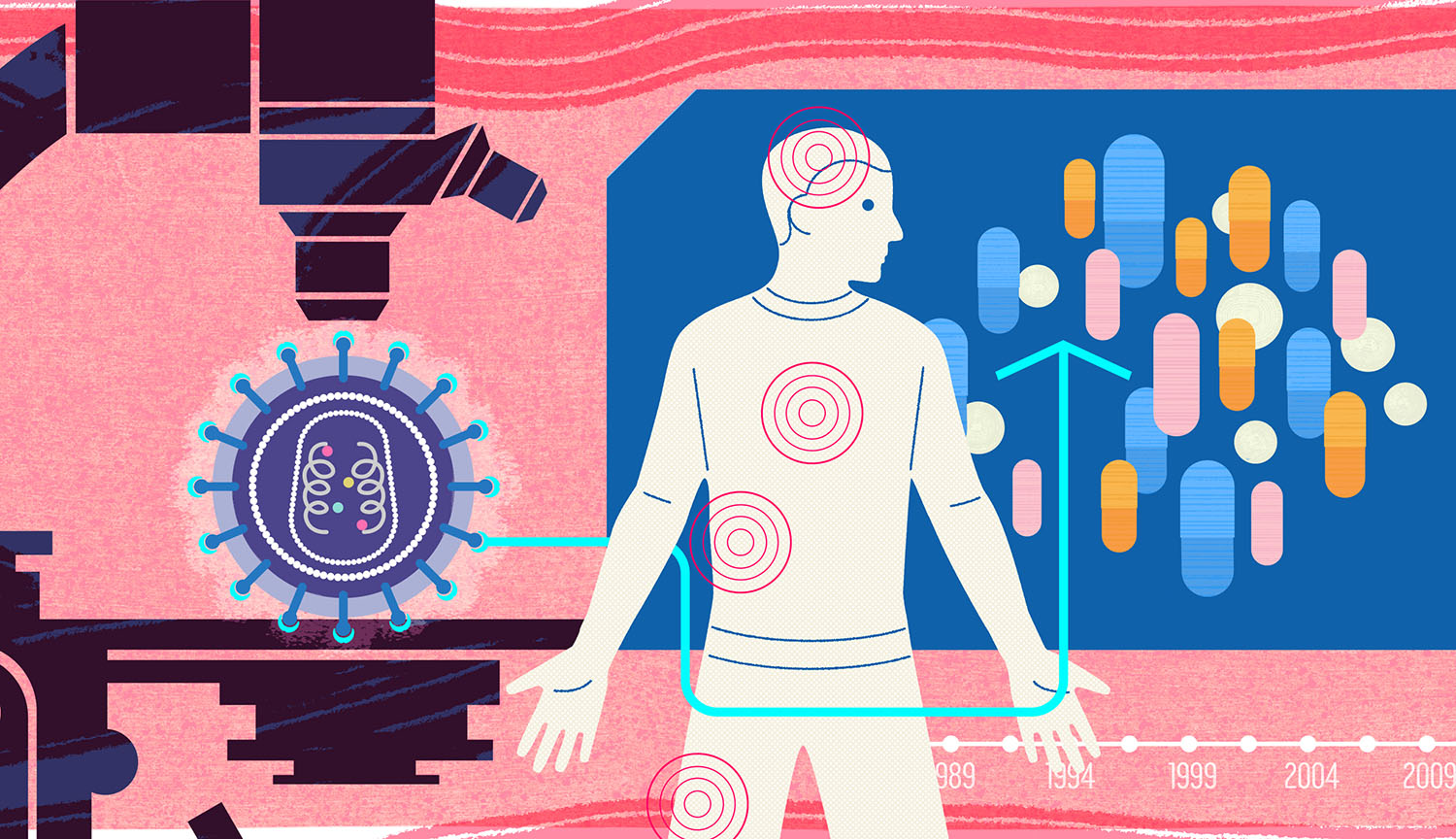
People infected with HIV must take antiretroviral drugs for life. But promising trials using engineered antibodies suggest that ‘functional cures’ may be in reach.
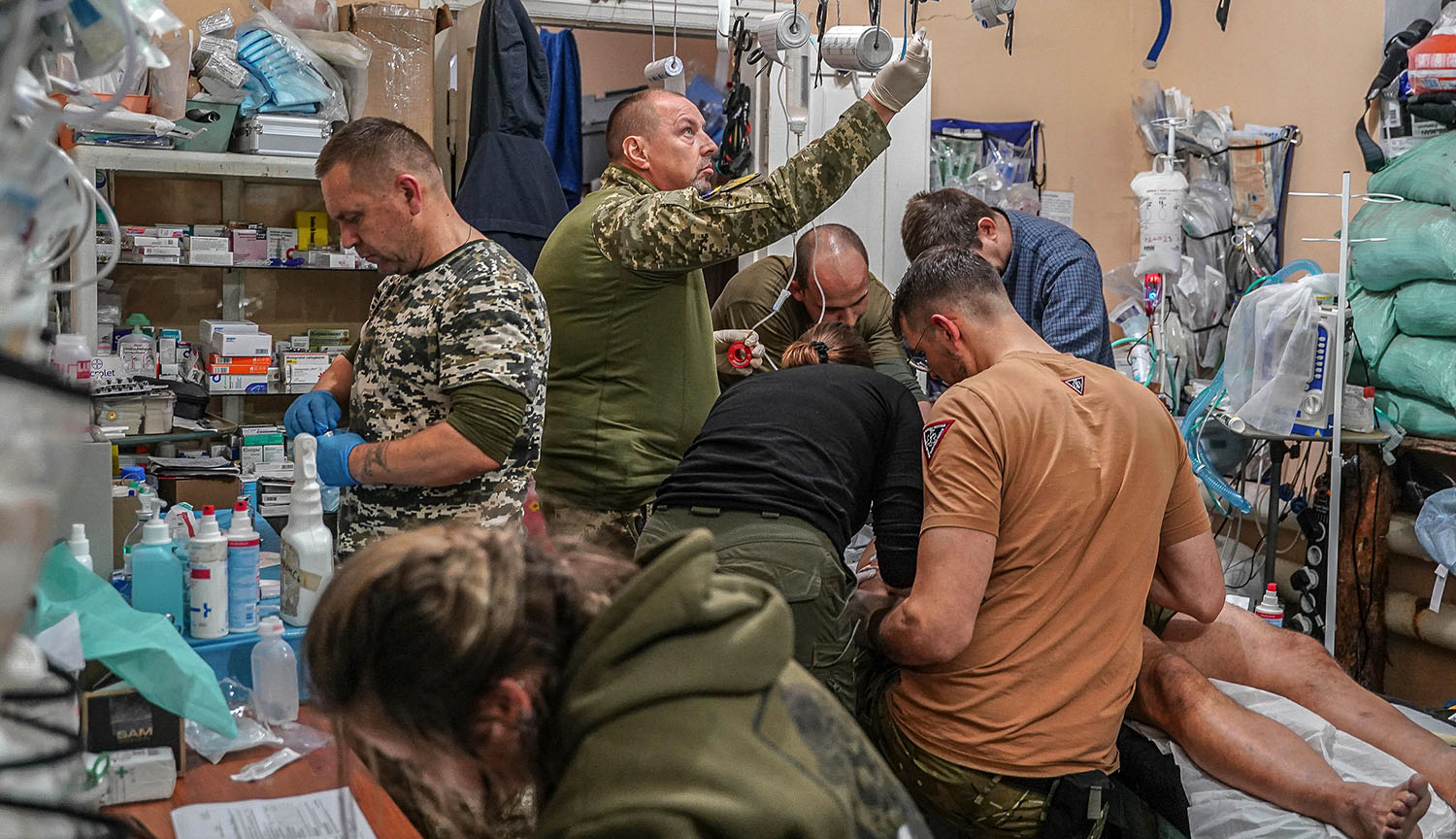
Doctors and scientists are waging a shadow war in the besieged nation: bacteria that are resistant to multiple antibiotics. The deadly bugs are now knocking on western Europe’s door.
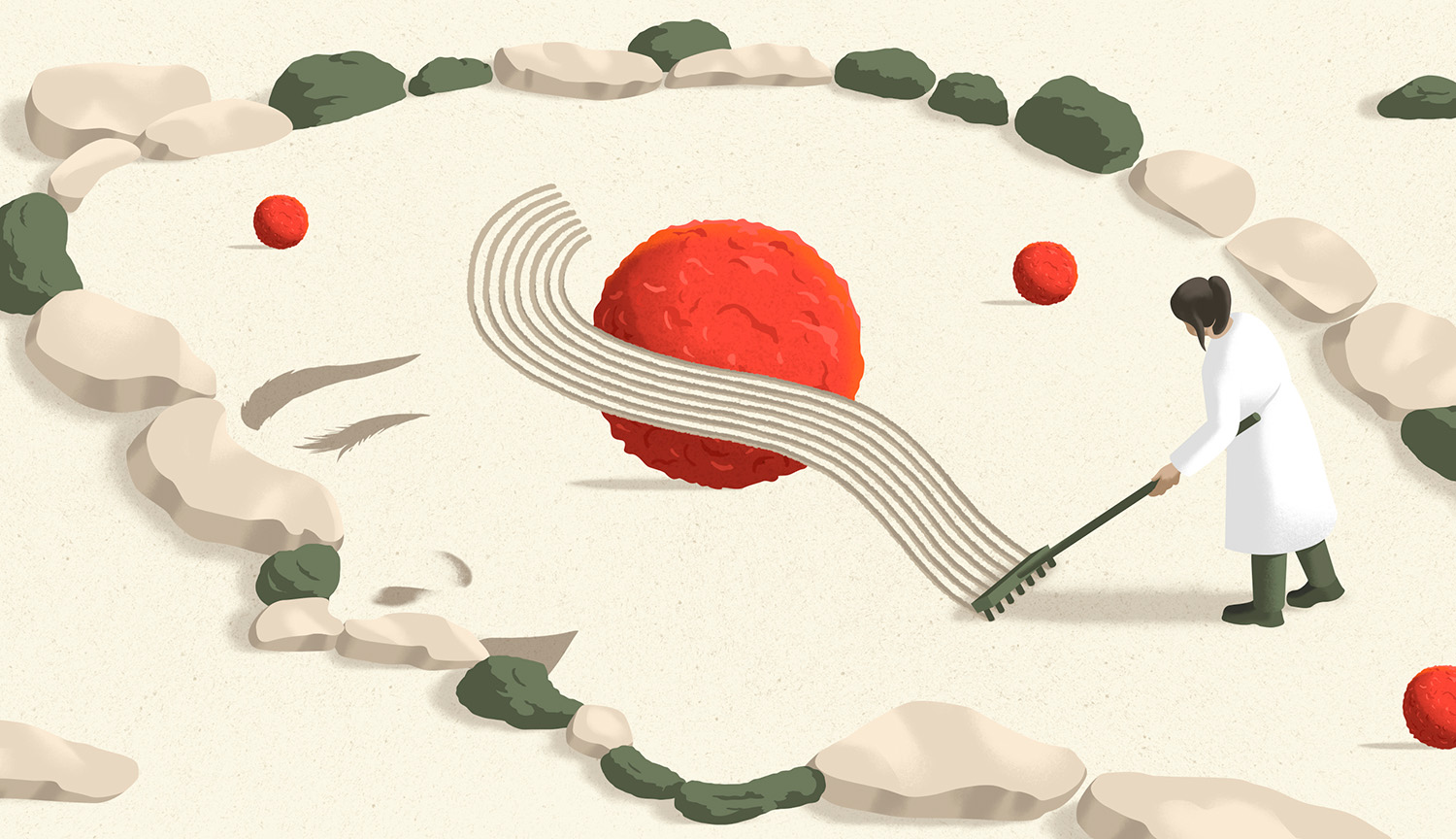
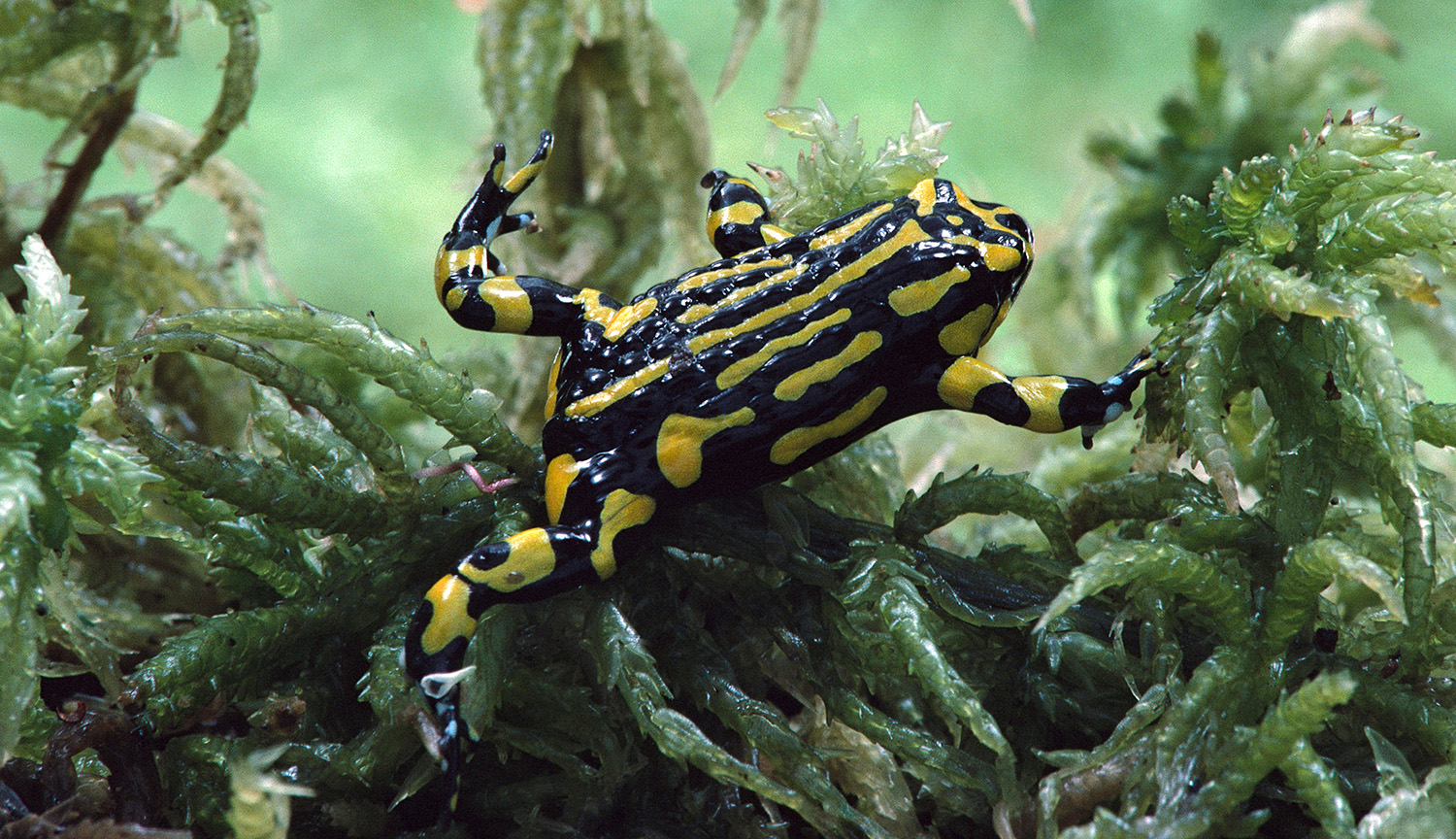
Scientists are seeing signs of resistance to the infections that have been wiping out the world’s amphibian populations — and developing strategies to aid in the fight Down Under
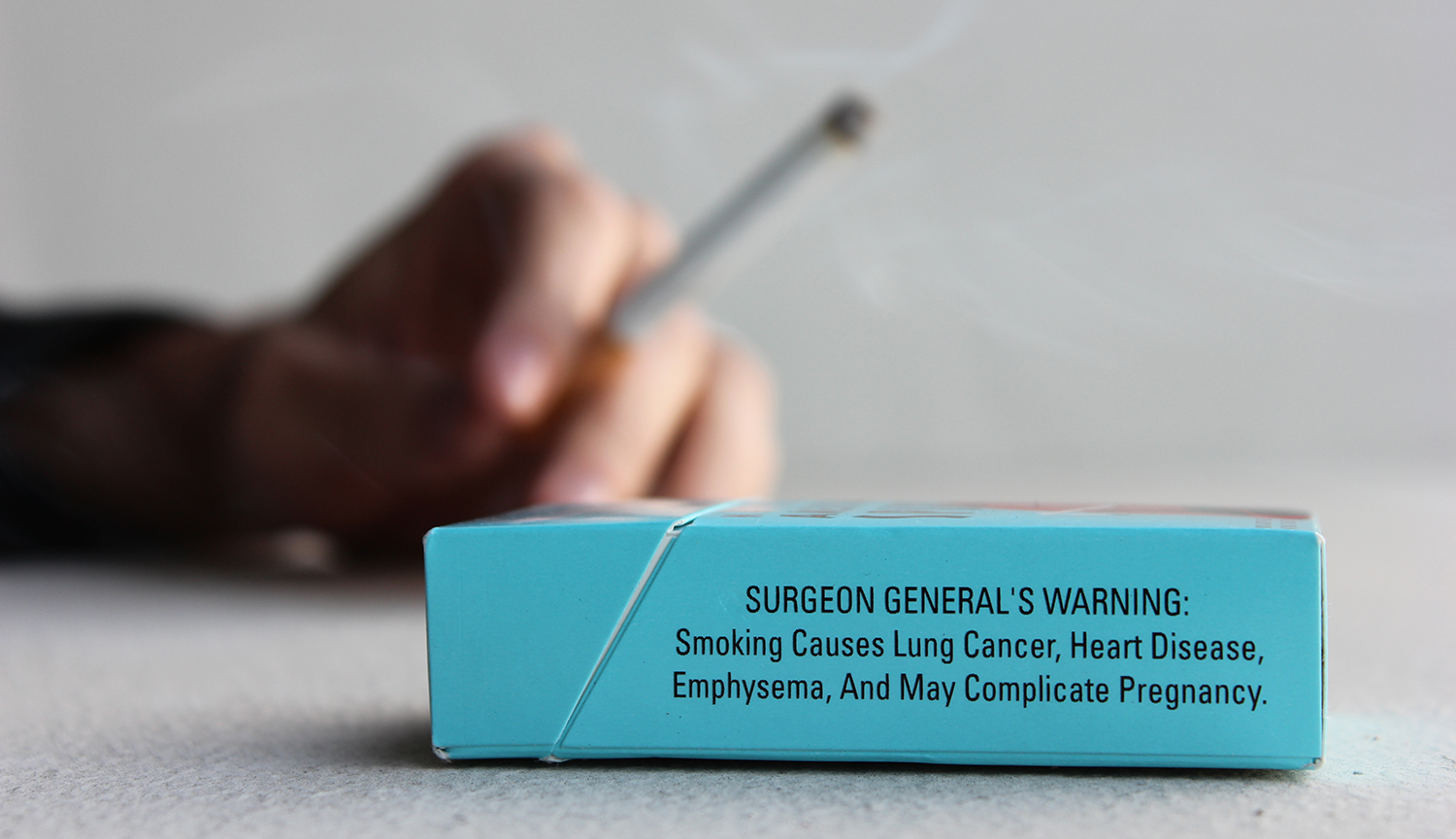
Regulatory hurdles, industry objections and legal fights have gone on for decades over traditional tobacco. What’s in store for the next generation of smoking?
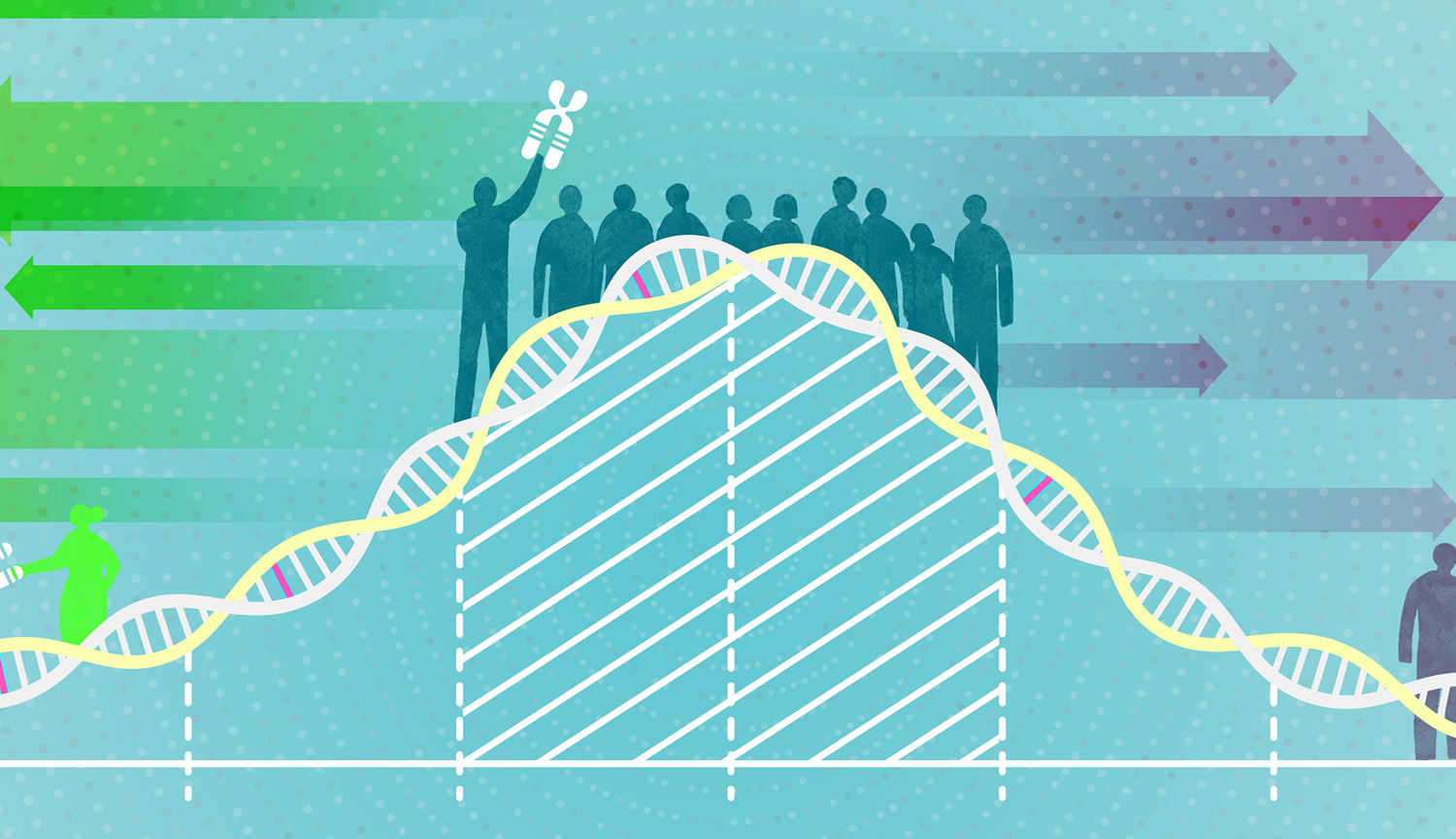
Polygenic risk scores — a patient’s chance, based on tiny DNA variants, of developing cardiovascular disease, breast cancer and more — are coming to clinics. But there are kinks to iron out and accuracy remains an issue.
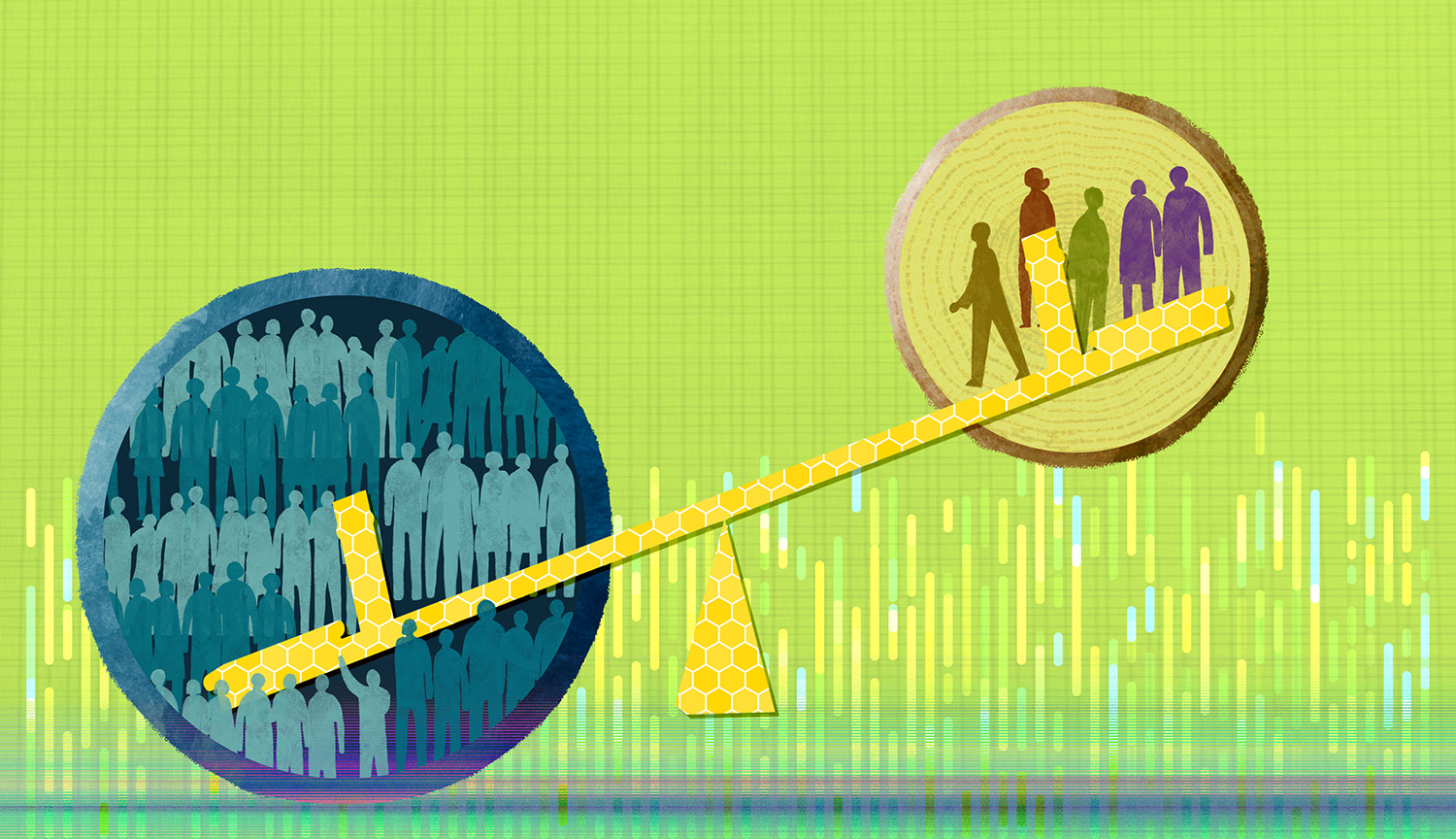
OPINION: A massive bias in medical studies toward men of European origin means that genetic variants in understudied populations don’t get the focus they deserve
A scientist whose work was key to identifying, studying and finding treatments for this life-threatening virus discusses the scientific journey and challenges that persist
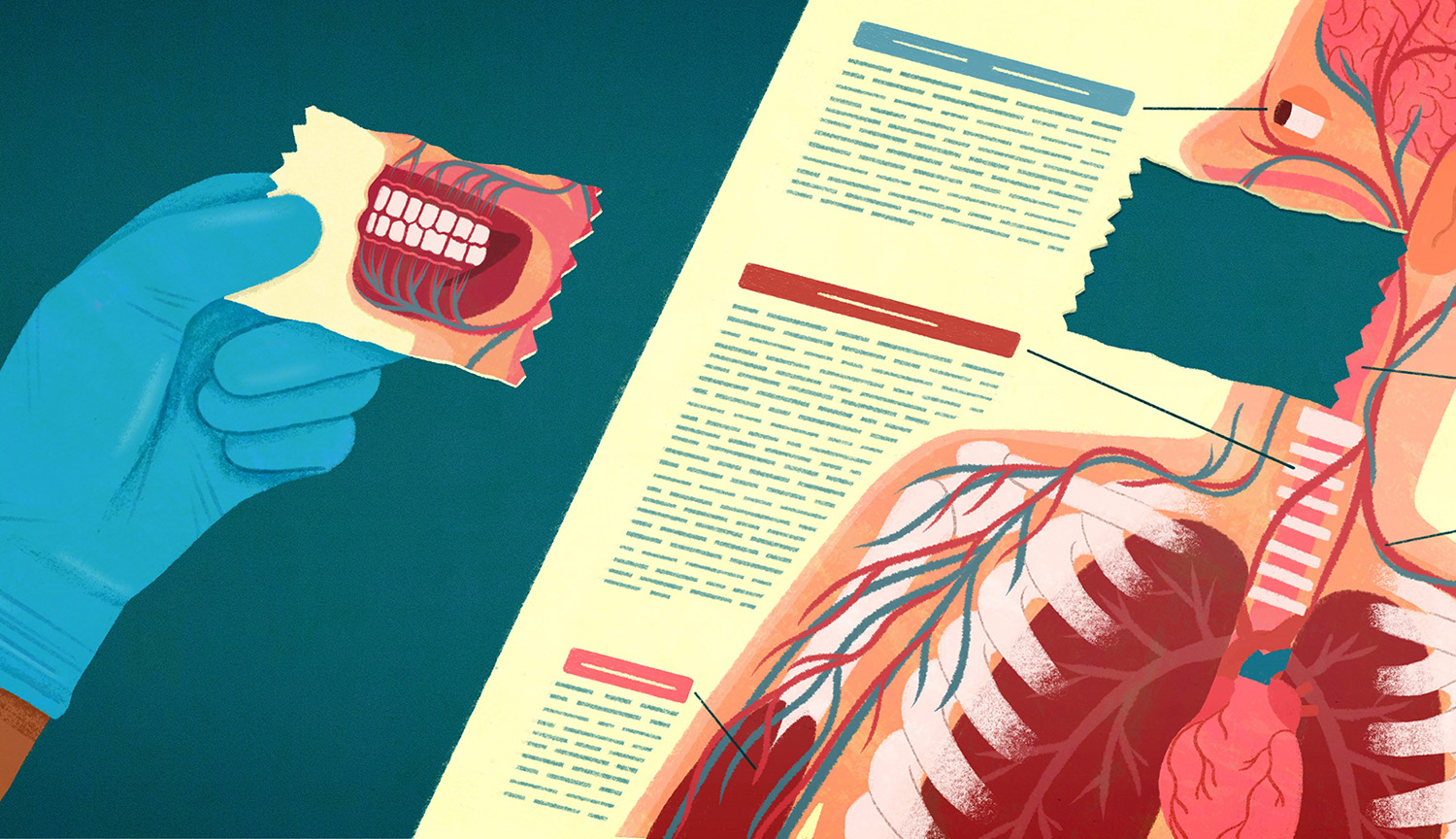
Scientists are revealing new secrets of the reflex that protects our lungs, spreads disease and irritates us all
Close X
This is not a paywall.
Knowable Magazine is free to read. But just because our articles are free to read doesn’t mean they are free to produce. If you value our trustworthy science journalism, please support it with a donation.