Skip to content
1932

Psychology

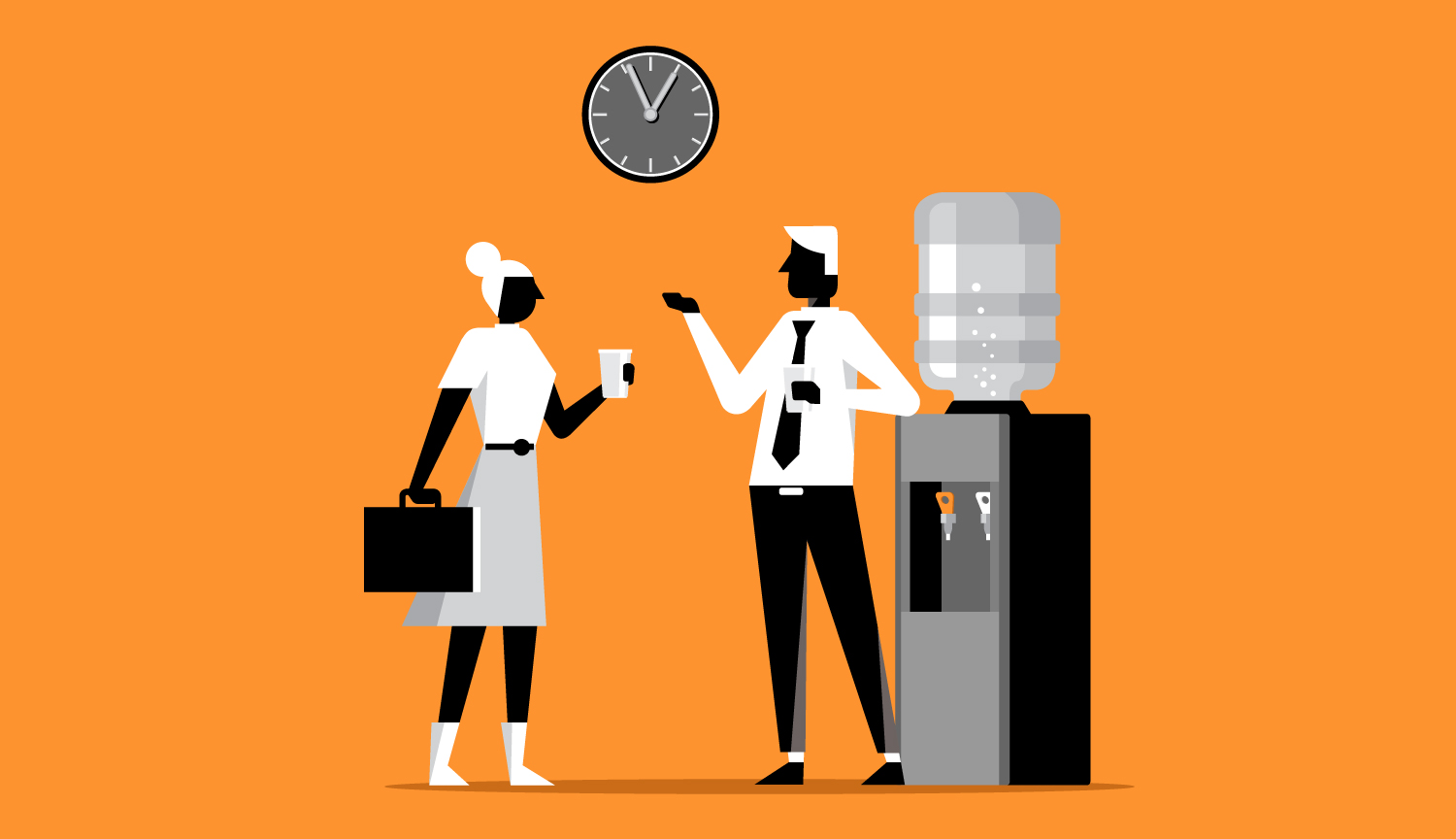
Why we crave company

Neuroscientists are discovering that spending time with others may be a basic biological necessity, like need for food or water

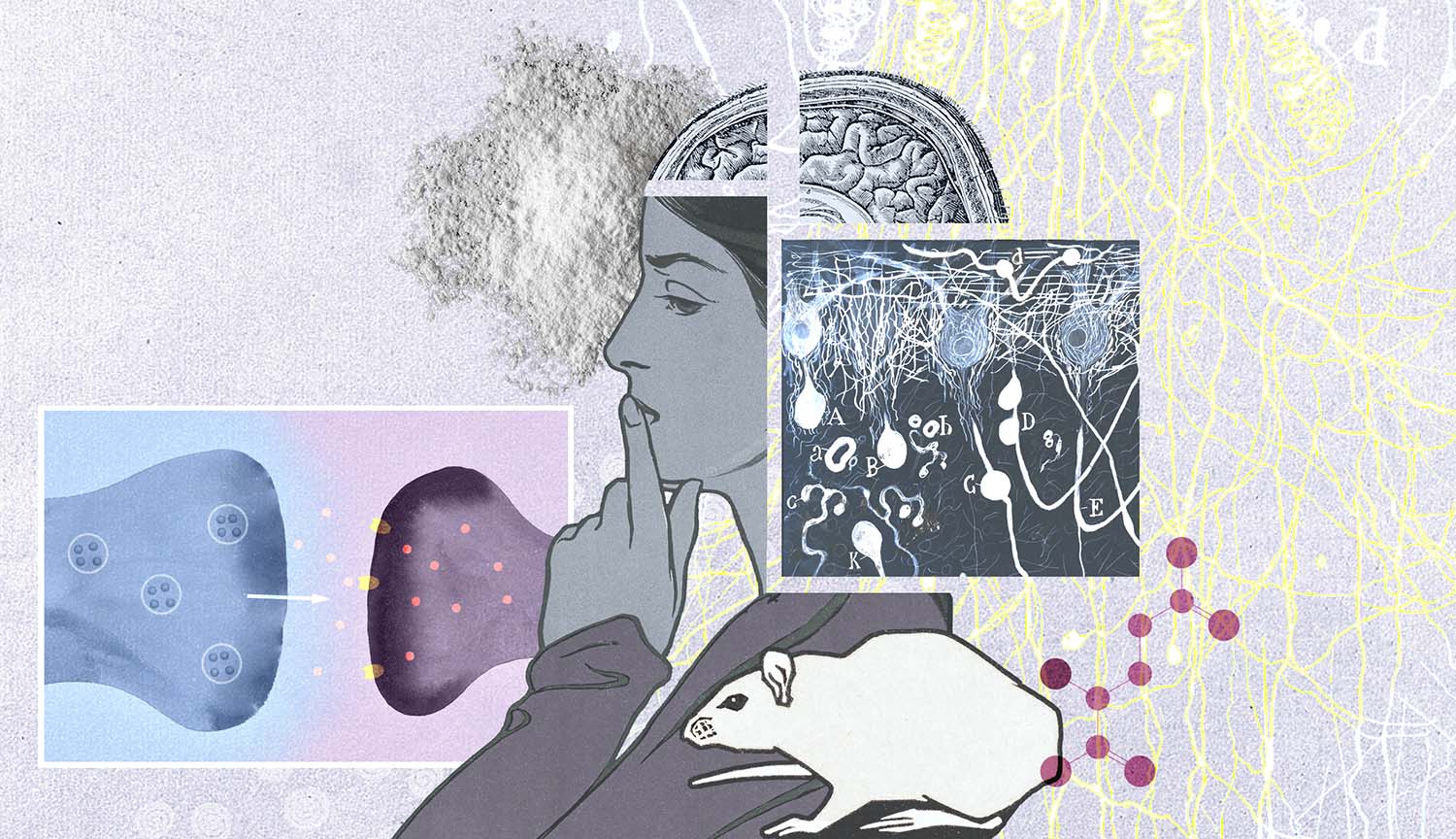
What addiction does to the brain

Changes in neural connections due to substance use and withdrawal are long-lasting, and craving can peak well into abstinence. Understanding this process could inspire drugs to support recovery.

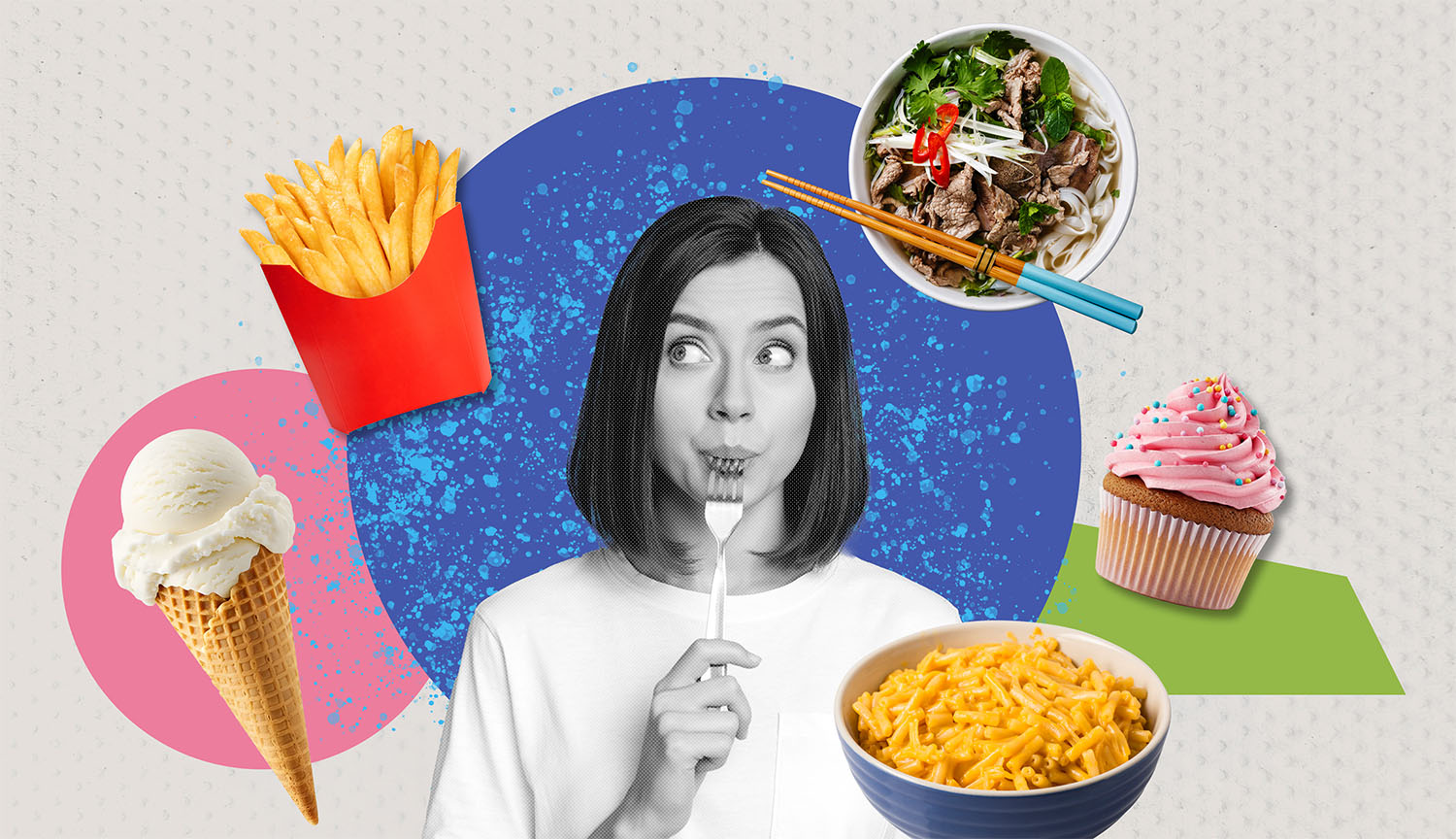
Why we crave ‘comfort food’

Nostalgia plays a big role in the meals that bring us solace — which mean we might be able to recondition ourselves toward healthier foods that still soothe

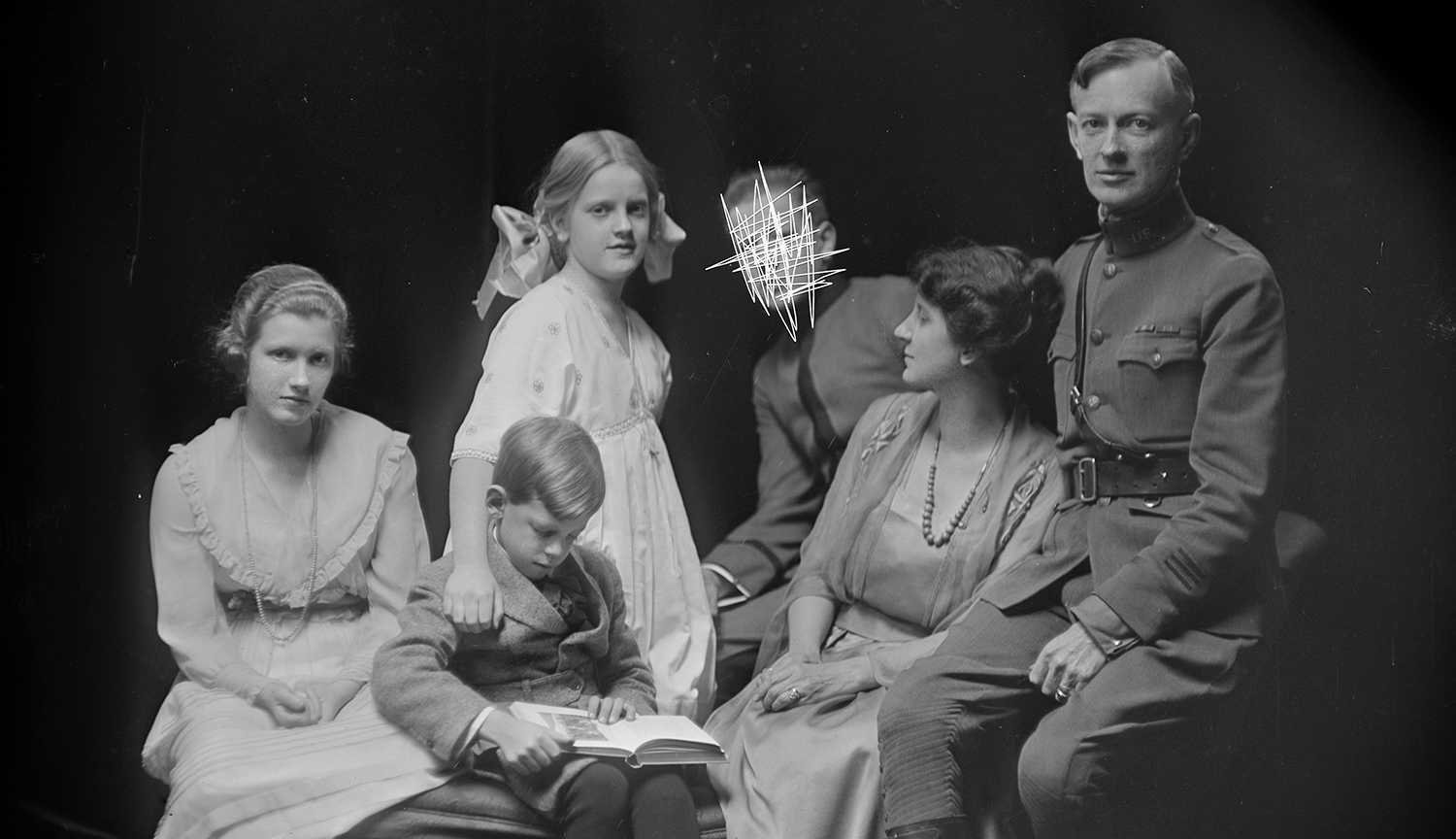
The troubling rise of family estrangement

As more adults cut off their parents, a researcher calls for closer scrutiny of causes and effects, and suggests paths to reconciliation

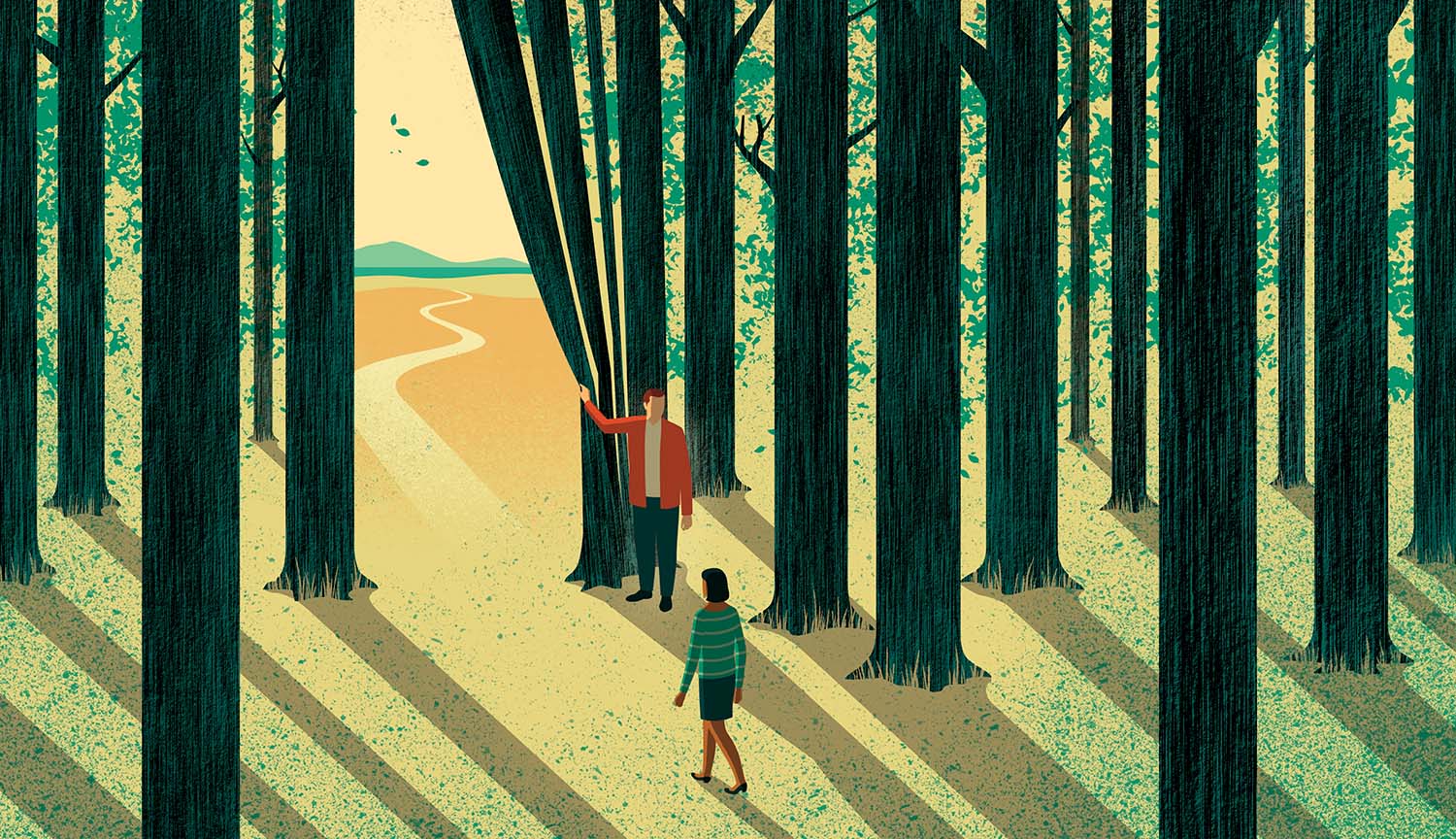
What is wisdom, and can it be taught?

Scientists are trying to name the qualities that make someone wise and figure out how to cultivate them

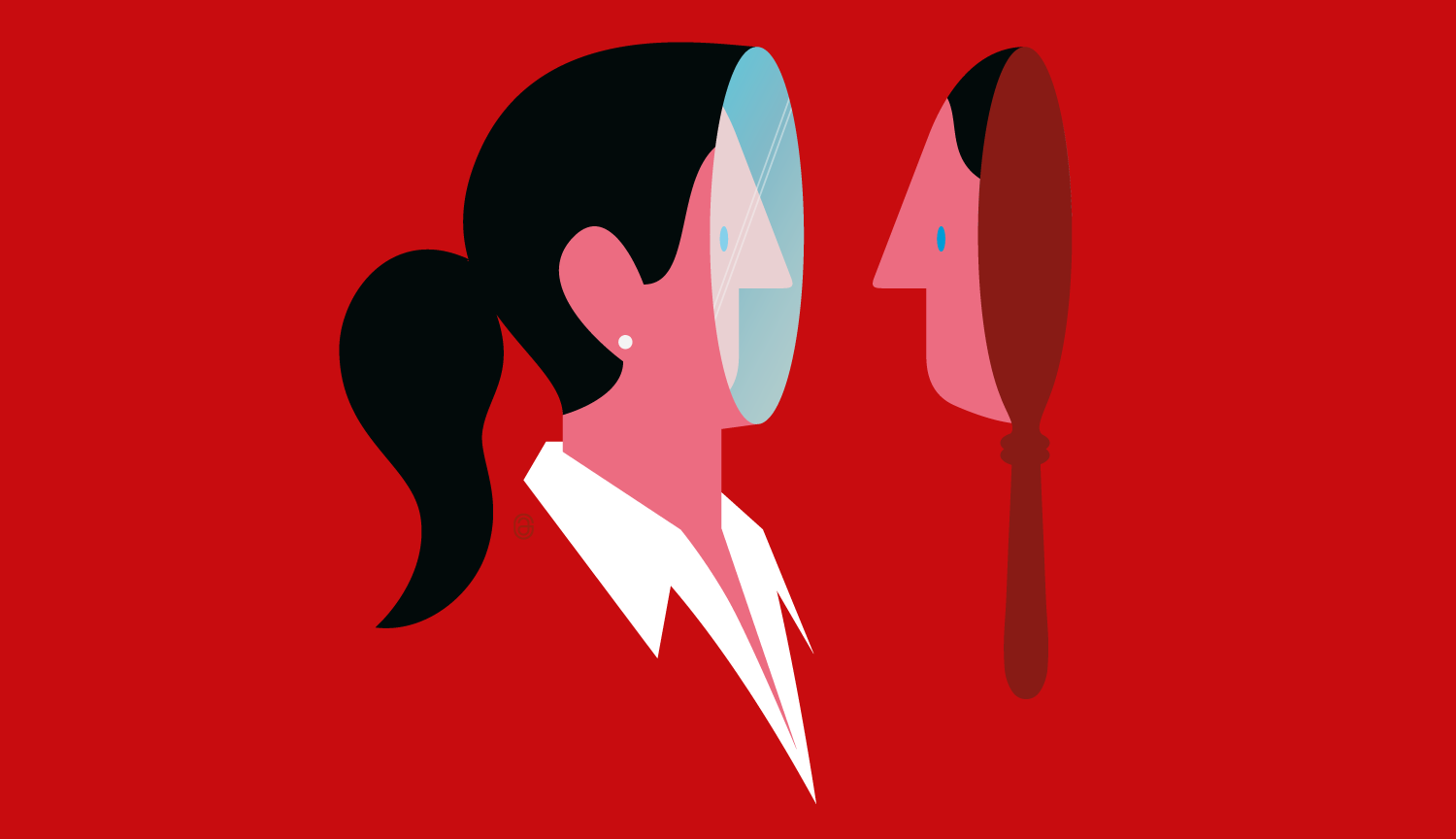
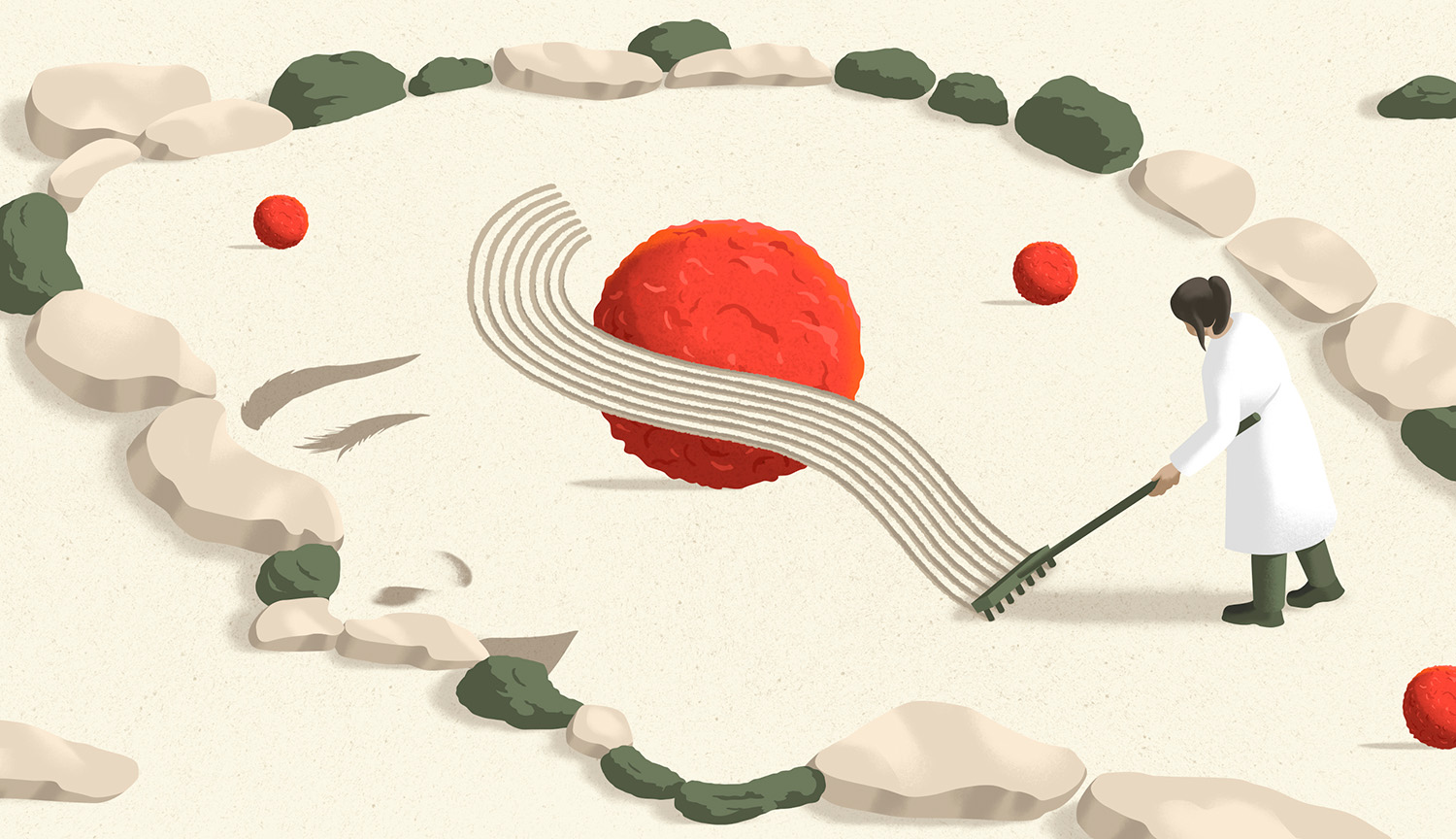
Brain, think on thyself

What the science of self-awareness can tell us about confident decision-making

Looking for an ADHD coach? Choose carefully

As diagnoses surge, so does an unregulated coaching industry

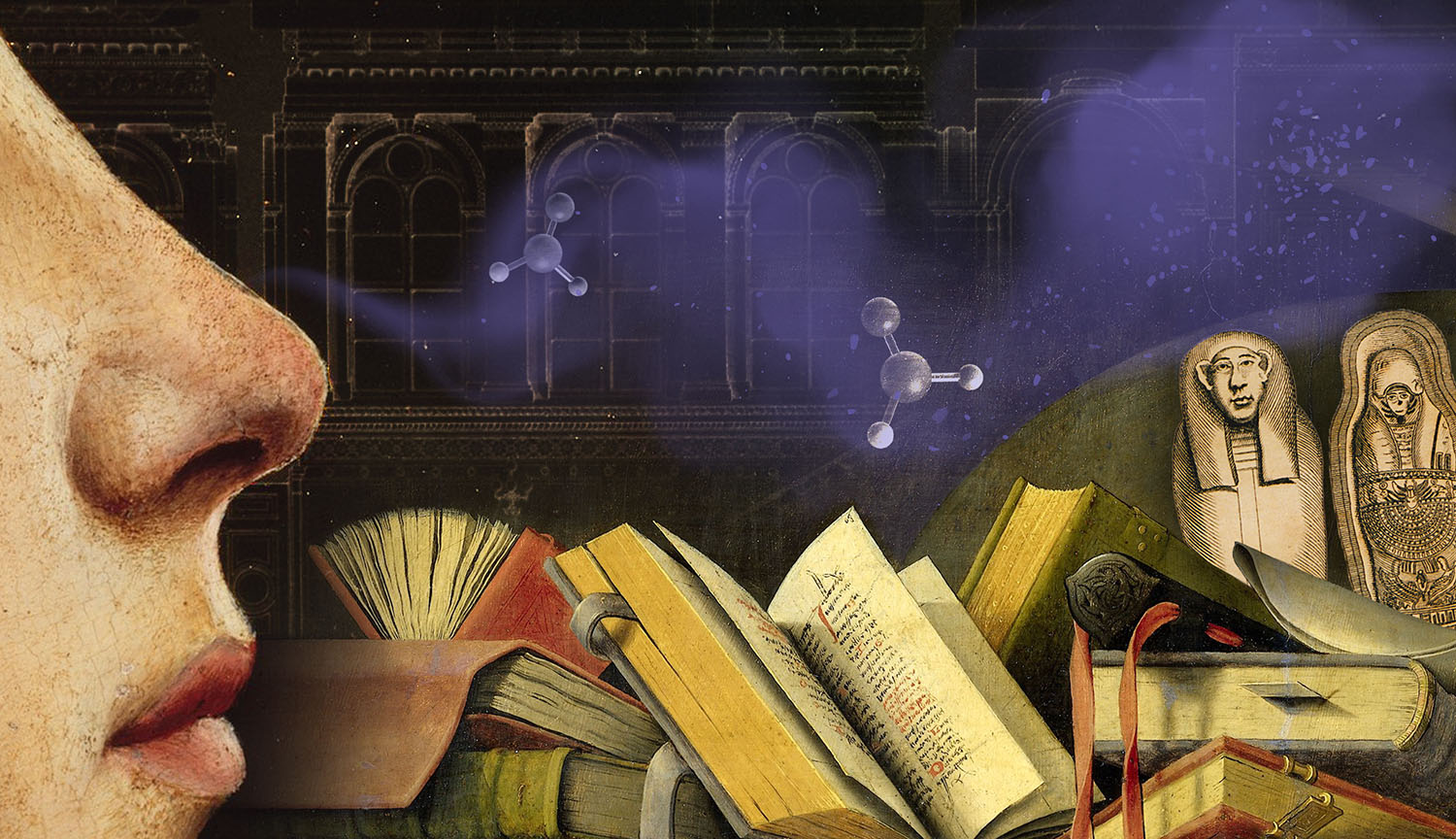
Recreating the smells of history

Using chemistry, archival records and AI, scientists are reviving the aromas of old libraries, mummies and battlefields

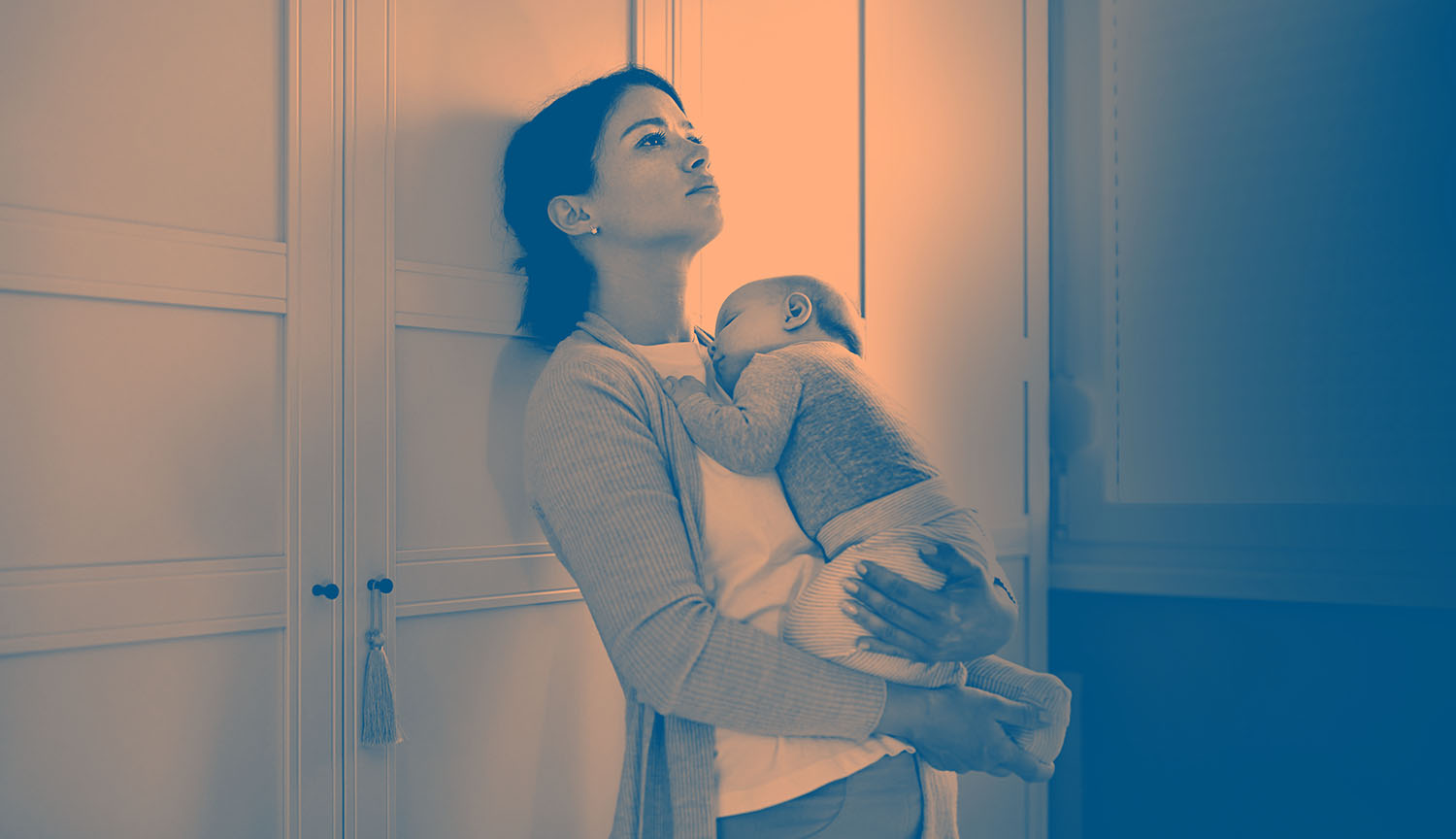
Postpartum depression: Better remedies, and now a predictive blood test

Scientists are learning more about this leading complication of childbirth. Treatments are improving and doctors can test for biological markers that flag heightened risk.

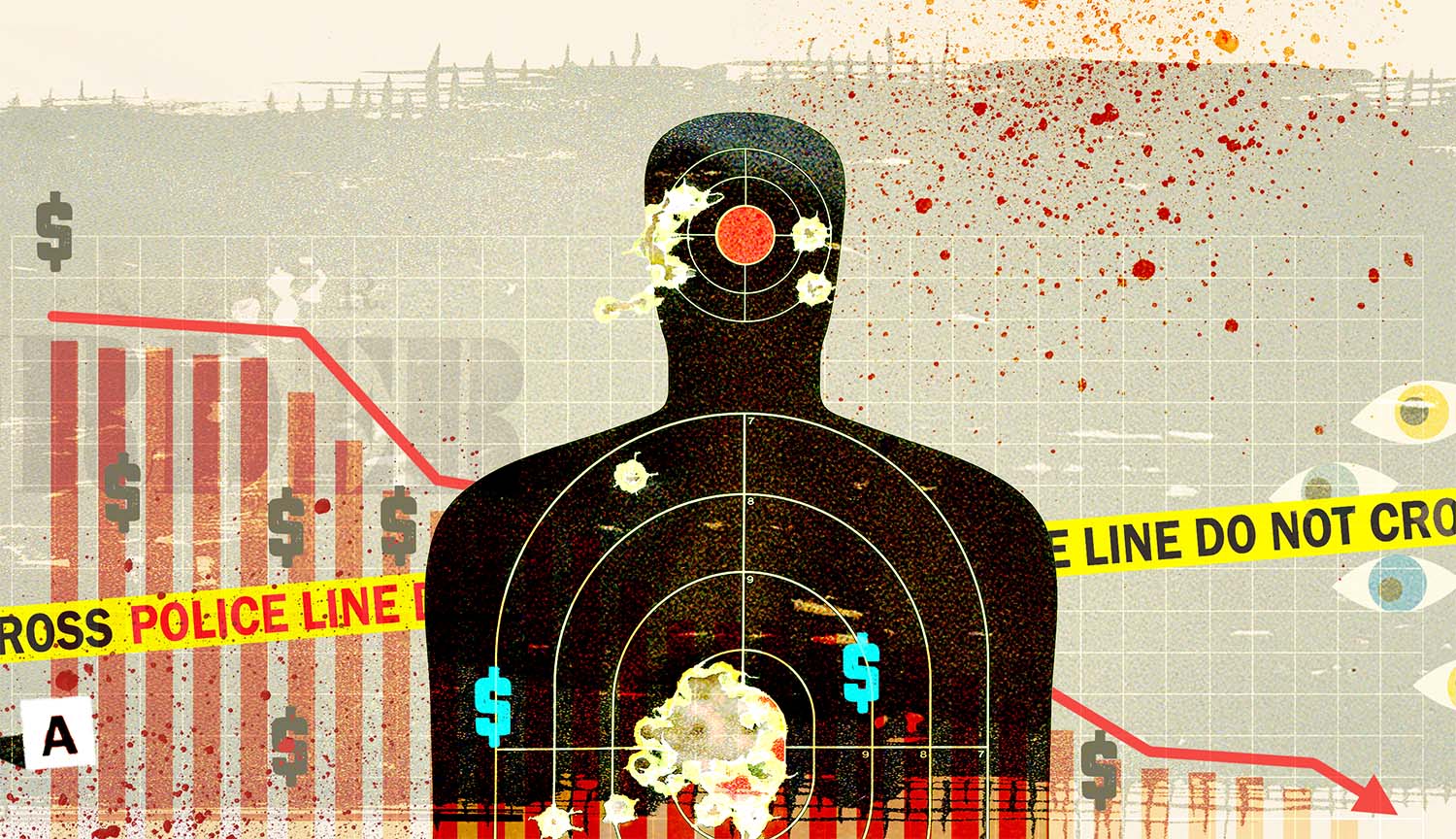
Property crime and violent crime have different solutions — here’s why

Addressing poverty helps to curb thefts and burglaries, but offenses like assaults and shootings need more innovative approaches

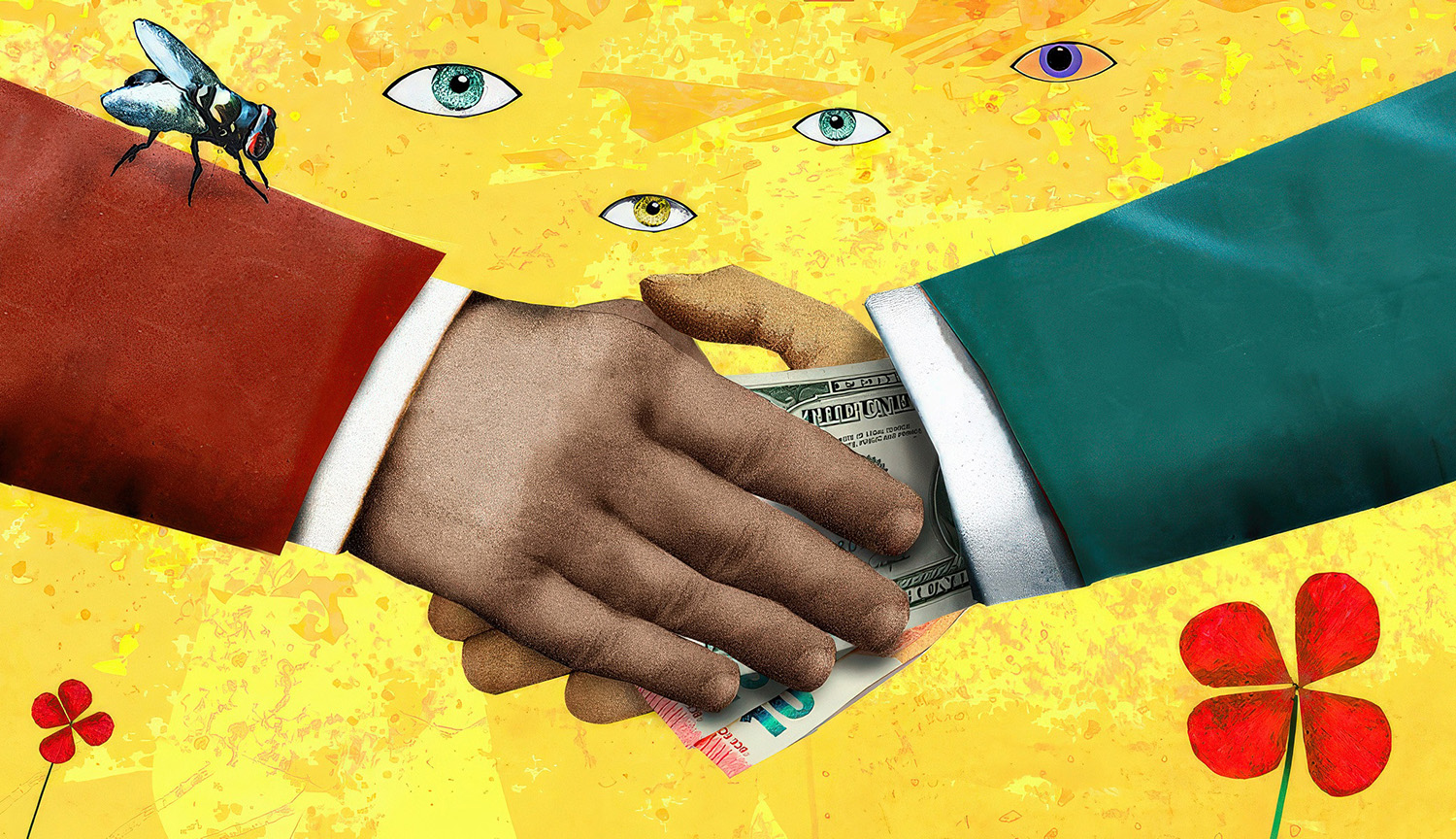
Corruption: When norms upstage the law

People with good motives may engage in bribery and worse depending on what society expects of them. A political scientist explains.

Can a shift in strategy reduce intimate partner violence?

New research, innovative programs and emboldened advocates are challenging decades-old conventions about how to respond to domestic abuse

Unsafe at home: The misery of intimate partner violence

Public health researchers explain the levers that can reduce — or worsen — this global blight. A bright spot: There are more data than ever on strategies that can help.

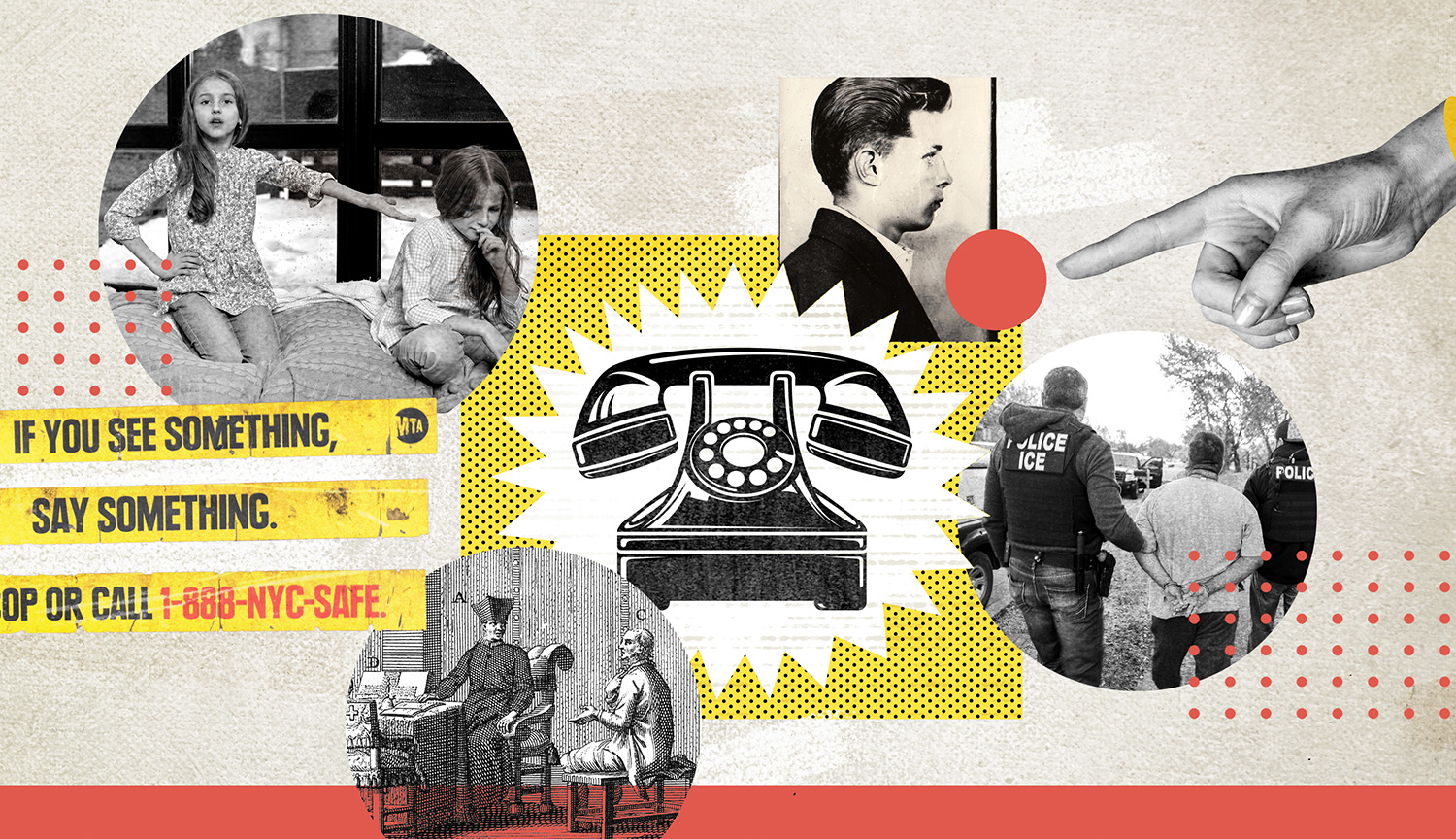
See something, say something? The science of speaking out

From tattling to whistleblowing, a sociologist explores what drives people to tell on one another

How stress shapes cancer’s course

Studies show psychological strain can accelerate tumors — could beta blockers slow them down?

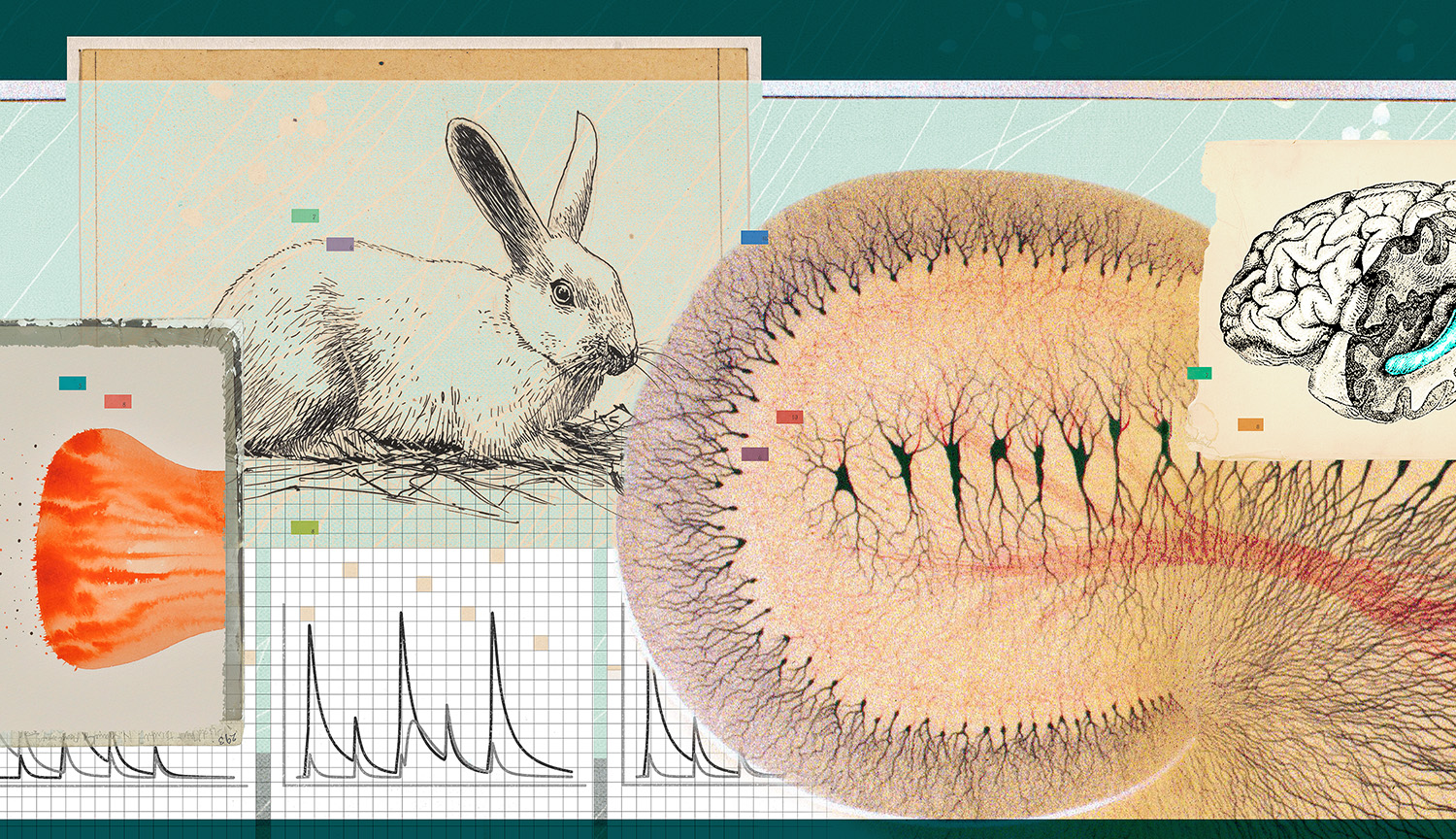
It began with a rabbit: Unraveling the mystery of memory

Half a century after the discovery of long-term potentiation, we’re still learning how the brain remembers

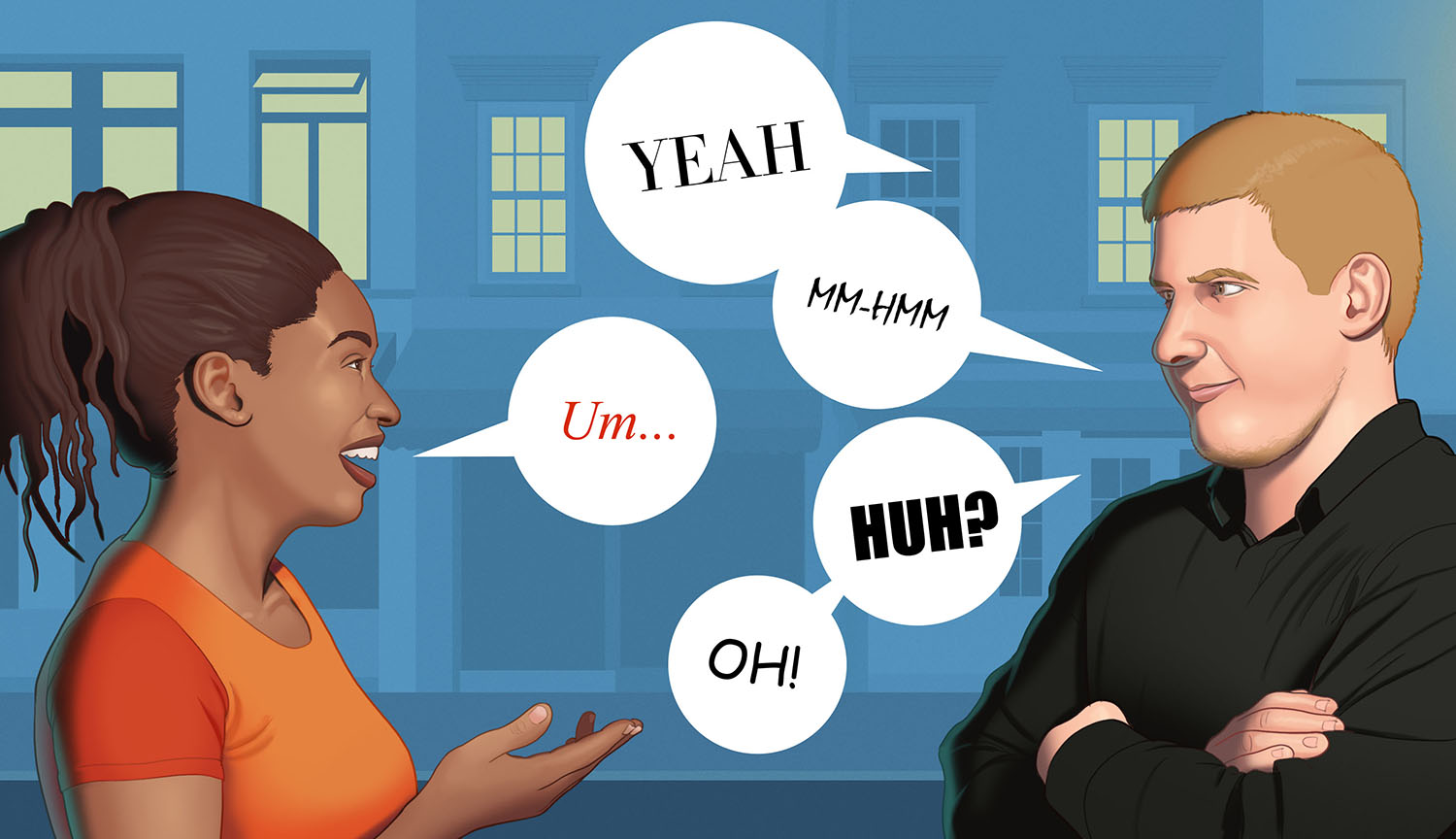
Huh? The valuable role of interjections

Utterances like um, wow and mm-hmm aren’t garbage — they keep conversations flowing

Speech interjections aren’t throwaway lines

PODCAST: Turns out, the best listener isn't quiet, as our host learns in a chat with two linguists. All those ums, ohs and mm-hmms have unexpected value.

Quiet couples: Alone time together

The right kind of silence can be golden, revitalizing and strengthening a relationship

Bustling through the physics of crowds

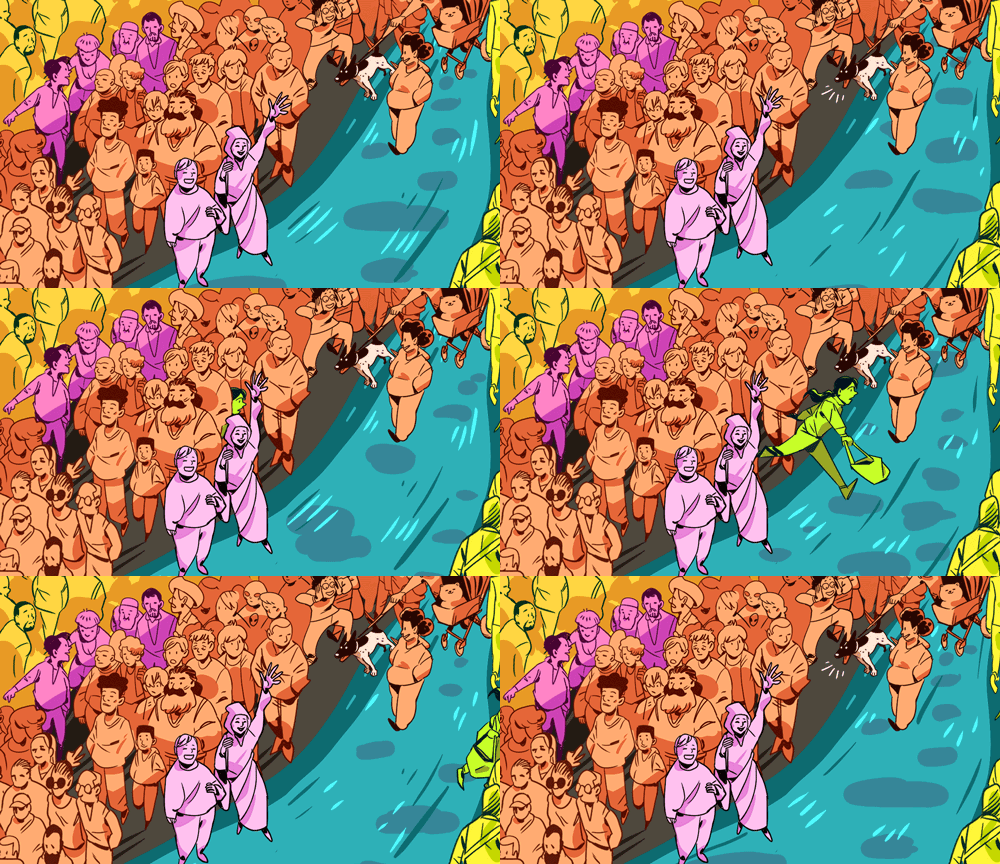
COMIC: Using tools from fields like fluid dynamics to better understand how groups of people move around can improve flow and make large gatherings safer

This is a required field
Please enter a valid email address
Approval was a Success
Invalid data
An Error Occurred
Approval was partially successful, following selected items could not be processed due to error