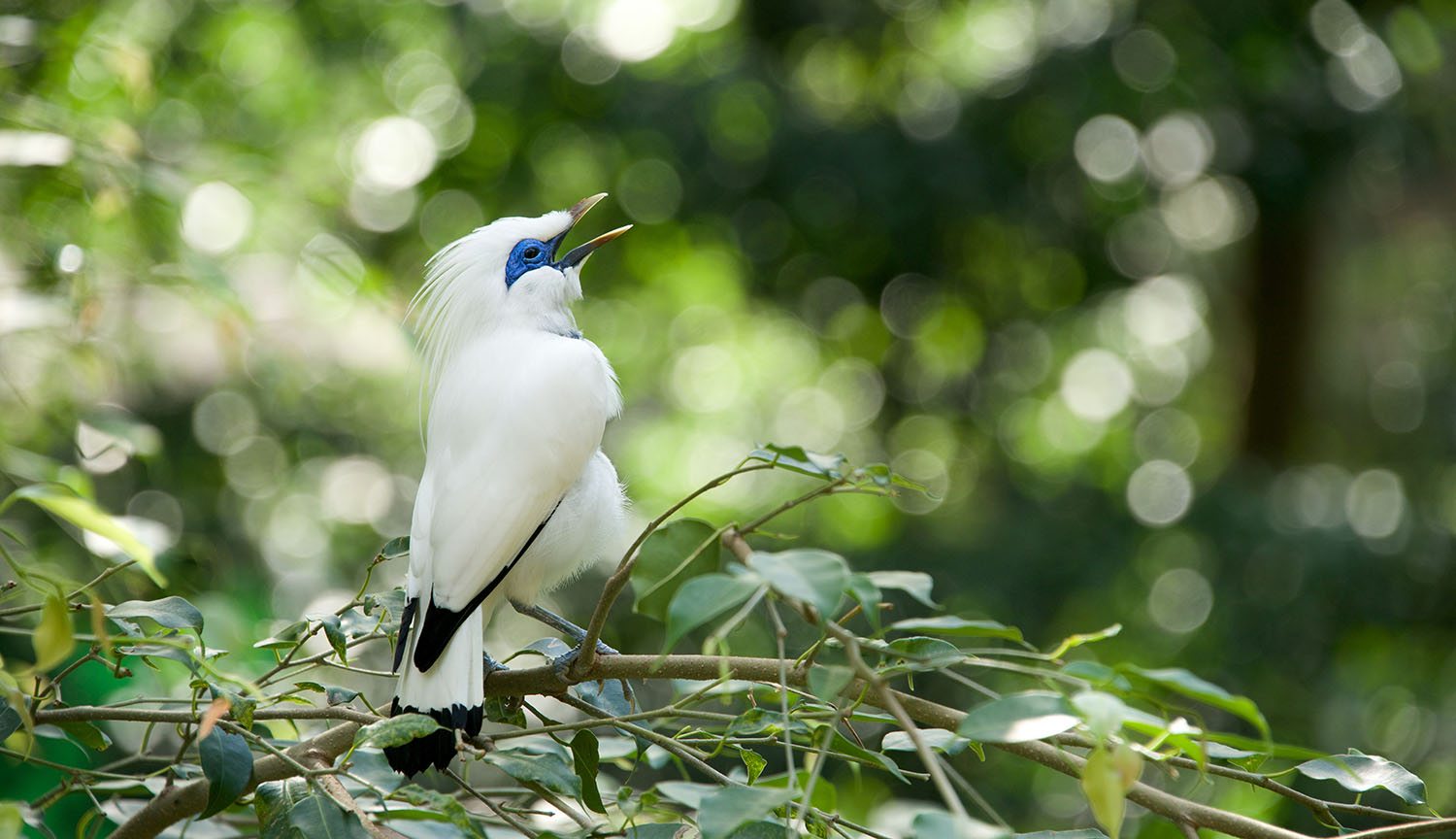
Millions of songbirds in Southeast Asia are trapped and smuggled each year for keeping as pets or entering in competitions. Scientists warn that it's fueling a crisis.
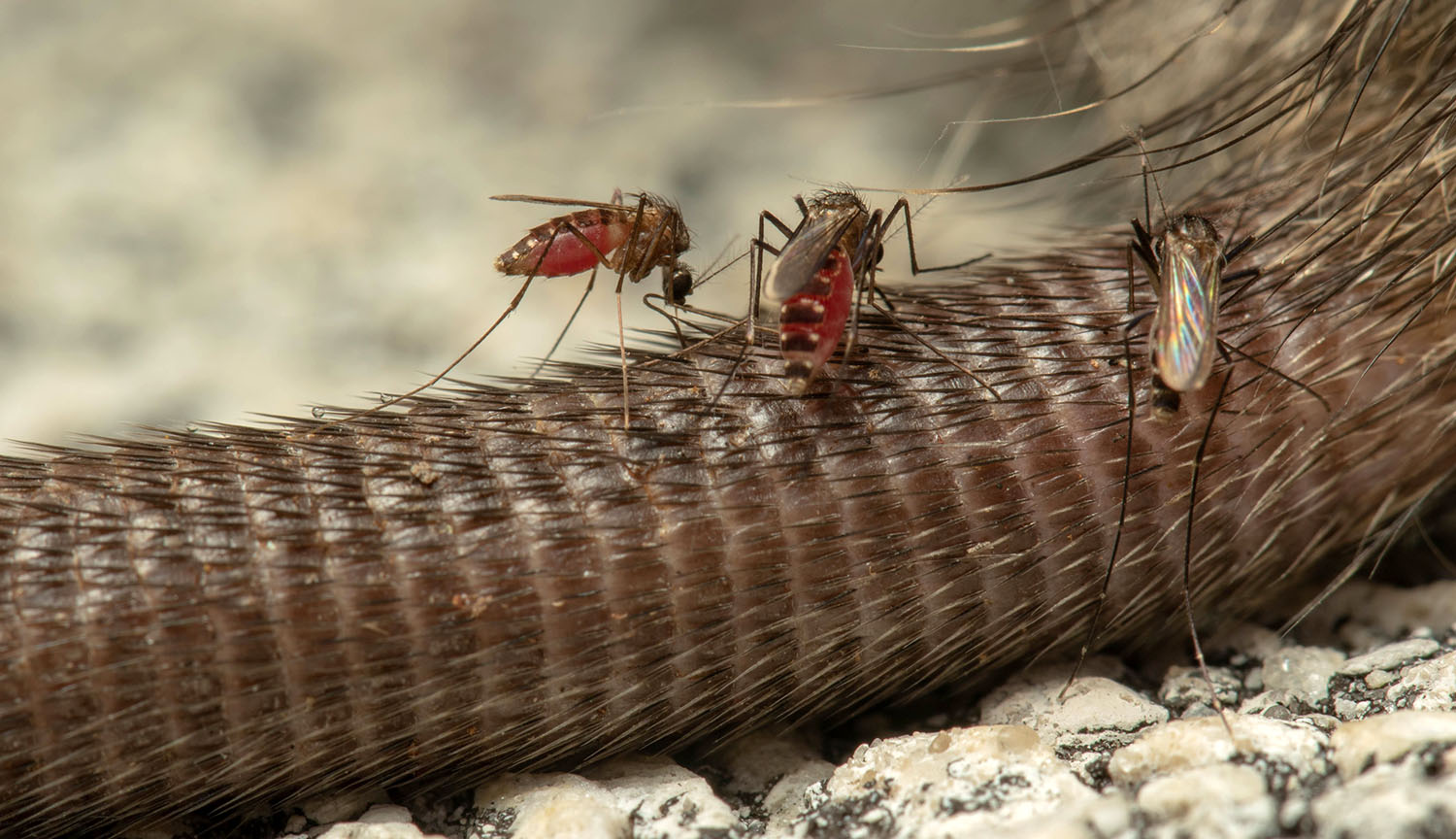
Critters that dine on flesh and waste also consume the animal’s DNA. That genetic material is helping scientists detect and map elusive species and their pathogens.
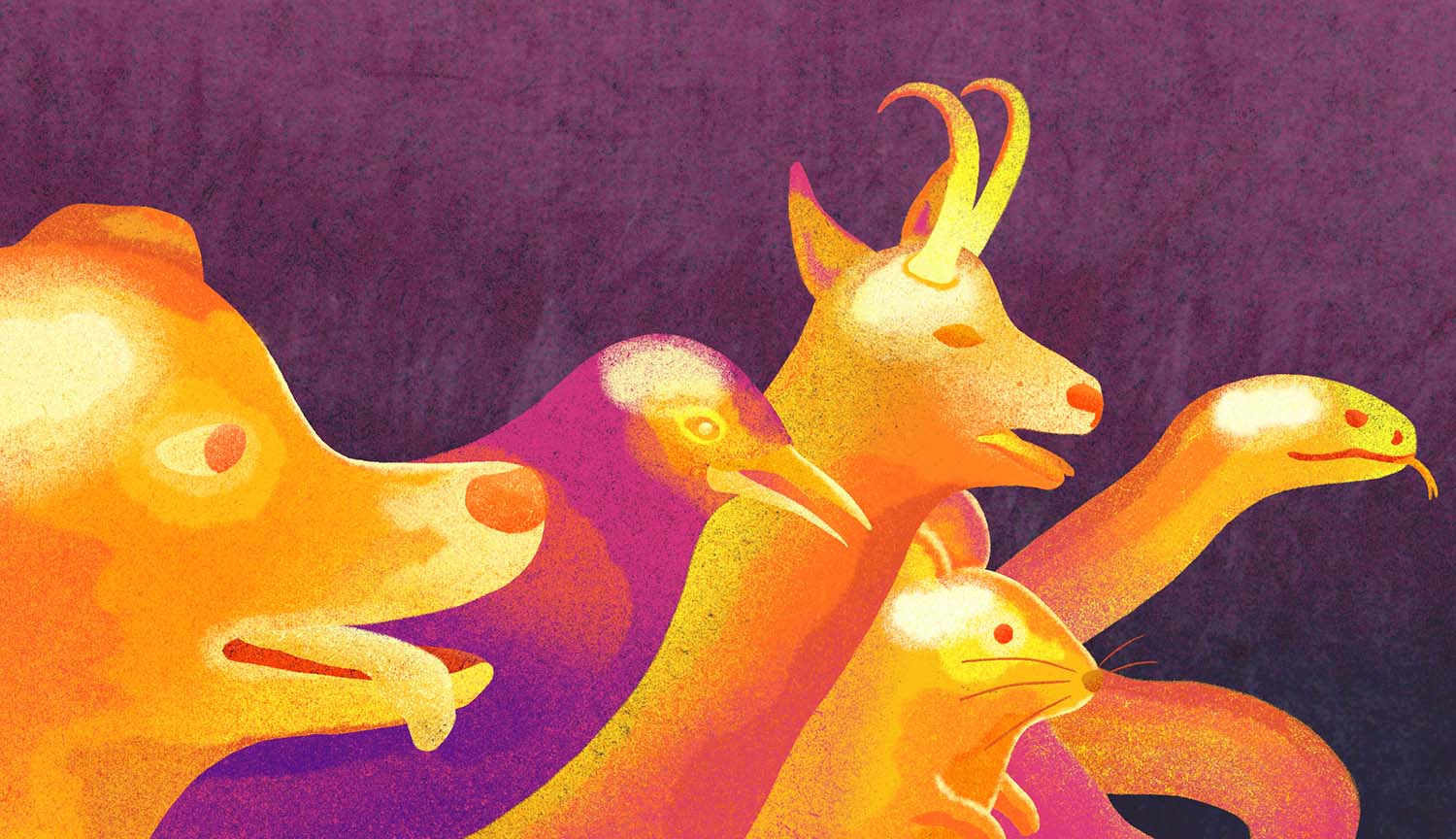
As temperatures rise, some creatures pick fights while others struggle to learn. The consequences of these behavioral changes may ripple through ecosystems.
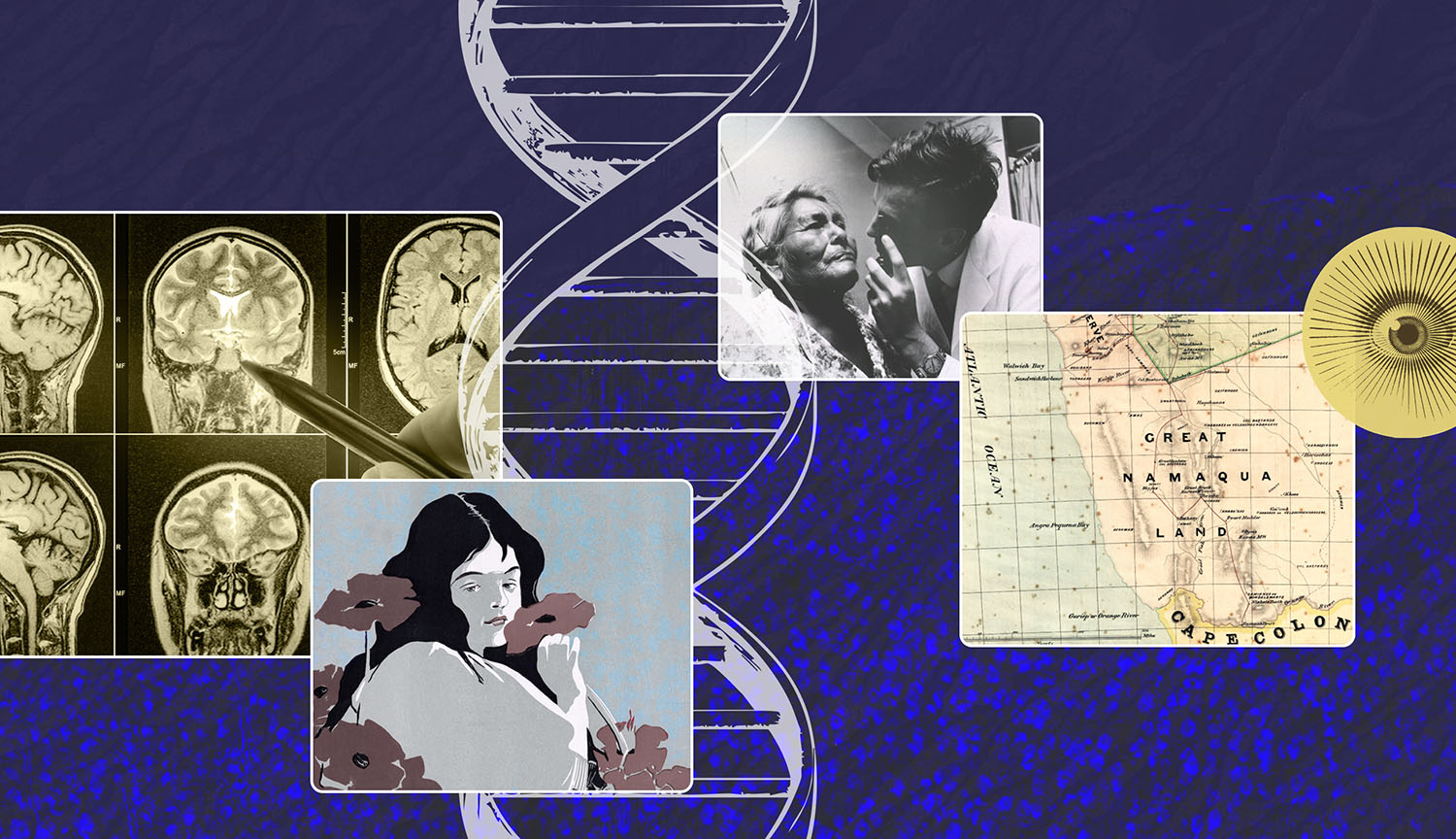
People with a rare genetic disorder that damages the amygdala are helping neuroscientists rethink how the brain shapes fear, trust and concern for others
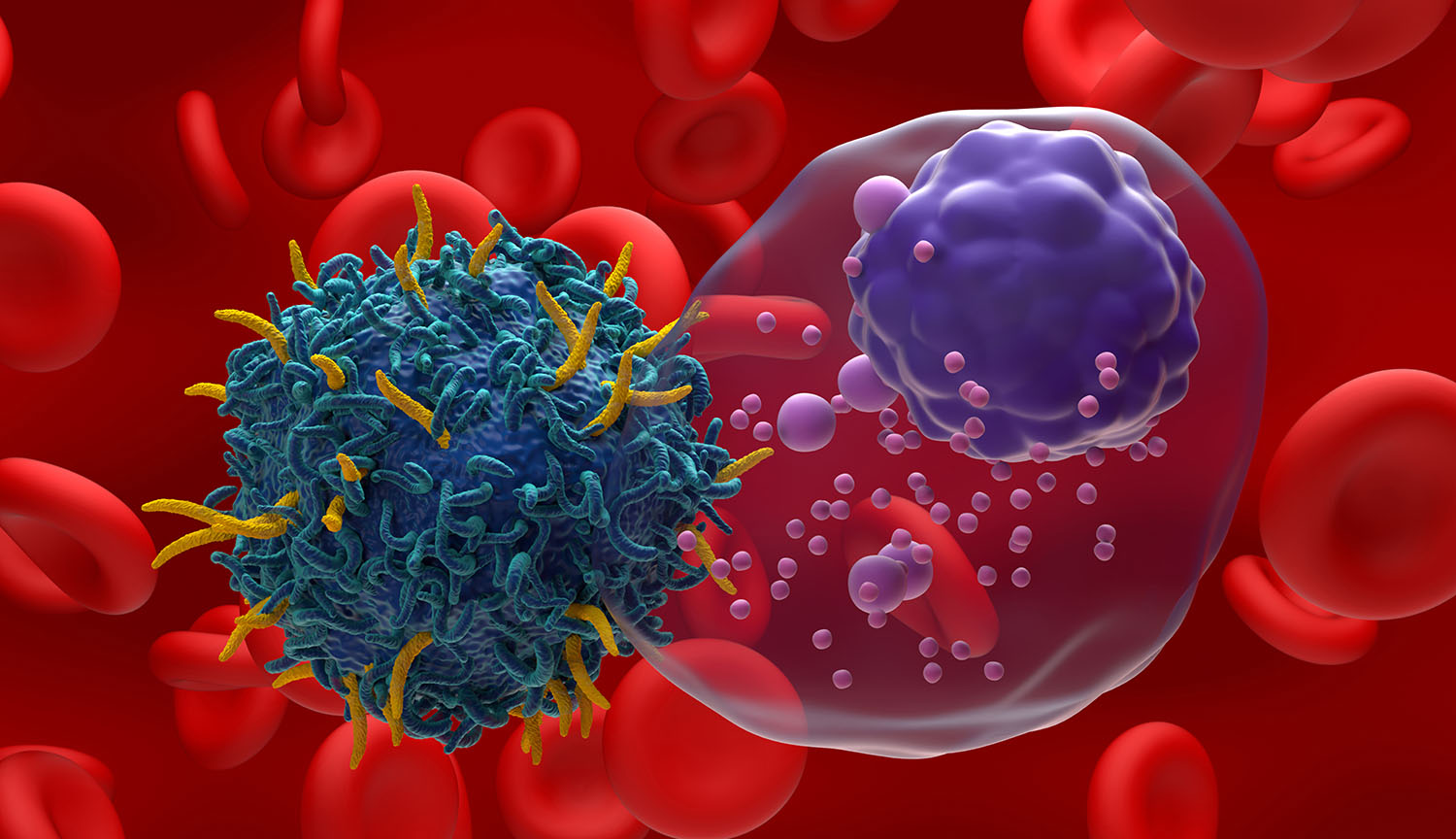
Researchers are testing CAR T cell therapy as a way to reset the immune system in lupus, Graves’ disease and other conditions where the body’s defenses go rogue
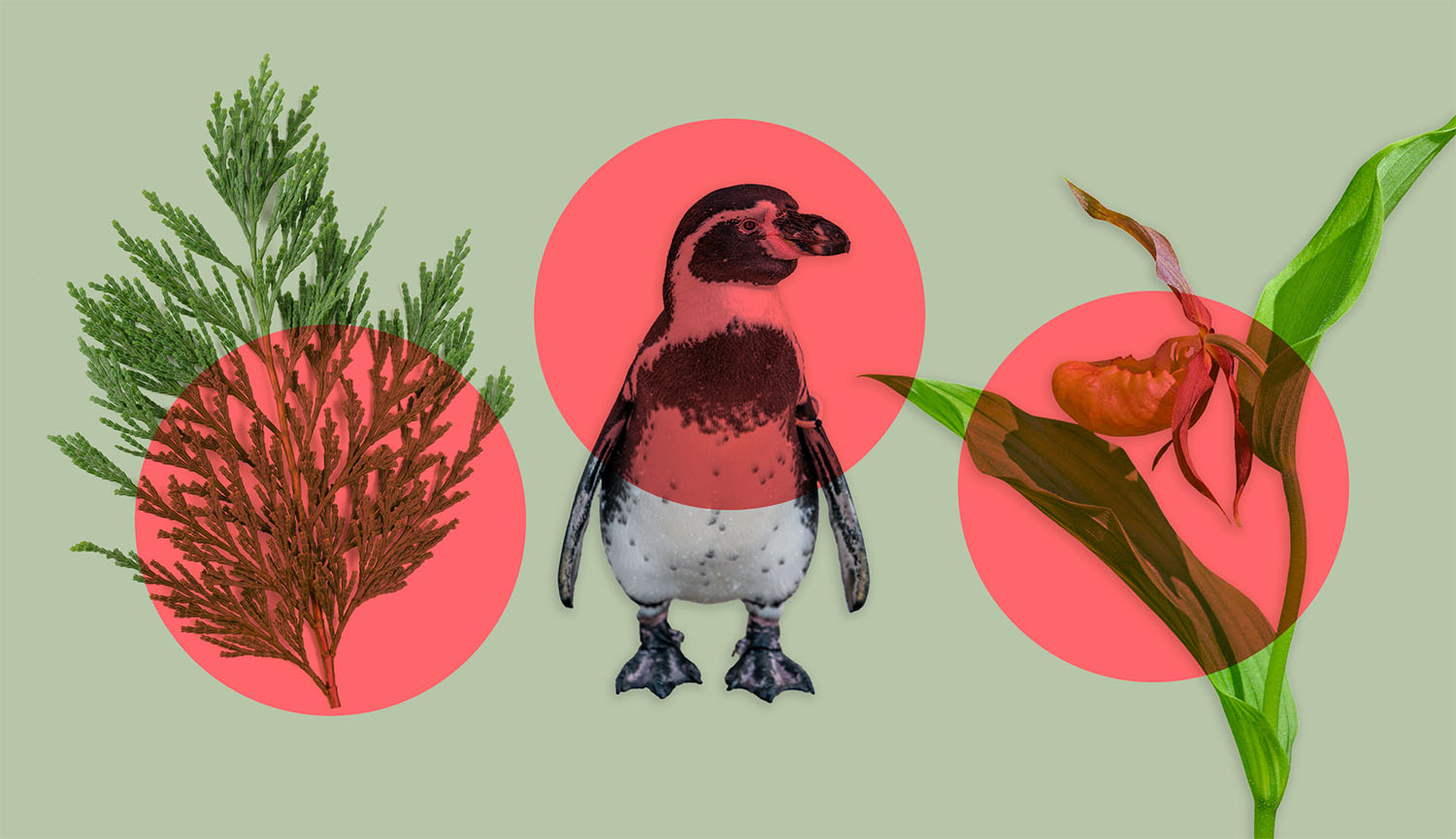
Species are disappearing at least 10 to 100 times more rapidly today than extinctions observed over millions of years. A biologist says the answer is reciprocity — to give to the planet and not just take.
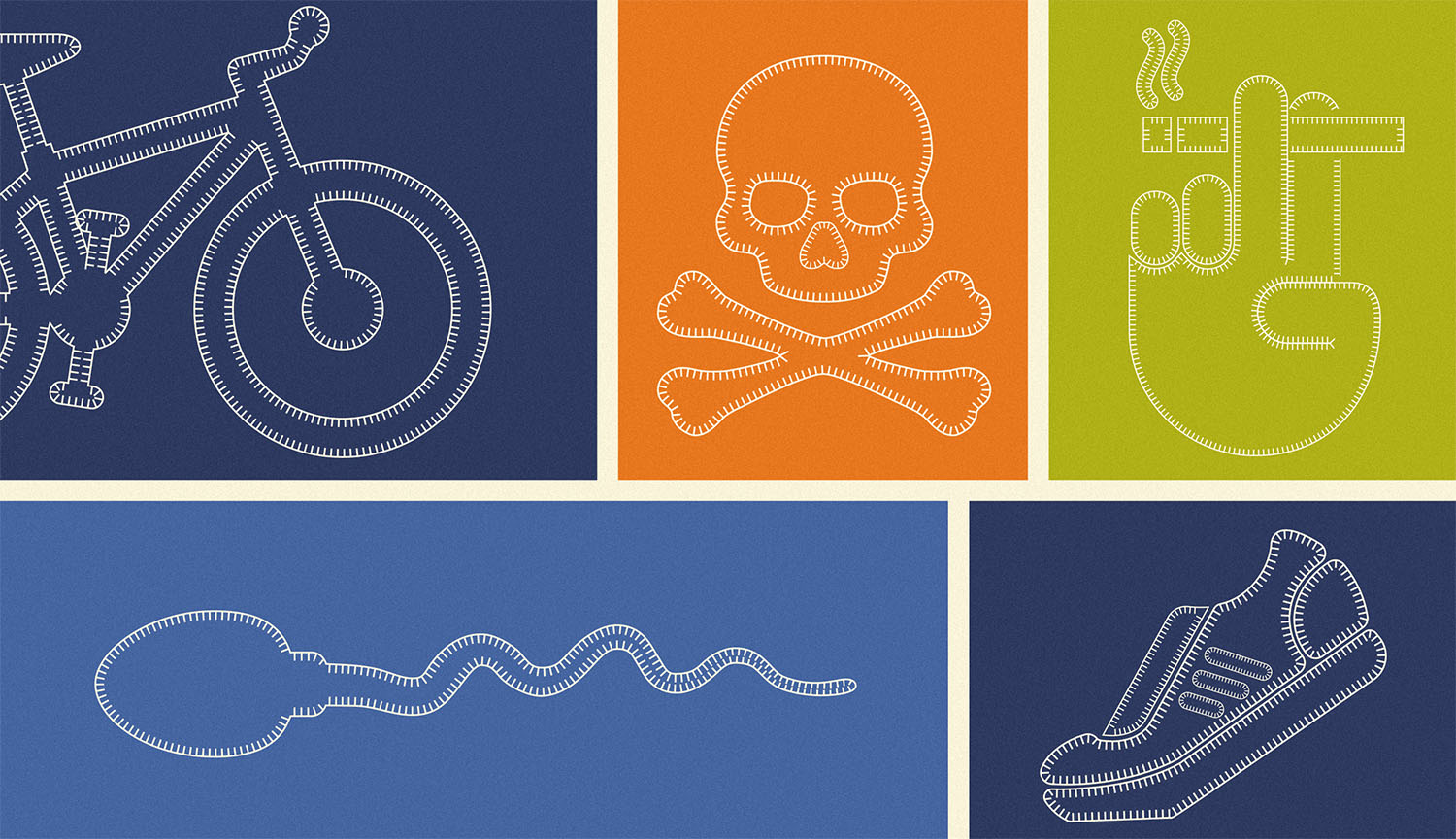
Evidence is growing from rodent studies that sperm carries marks of a father’s life experiences, influencing traits in offspring. Bits of RNA could be the drivers of these epigenetic effects.
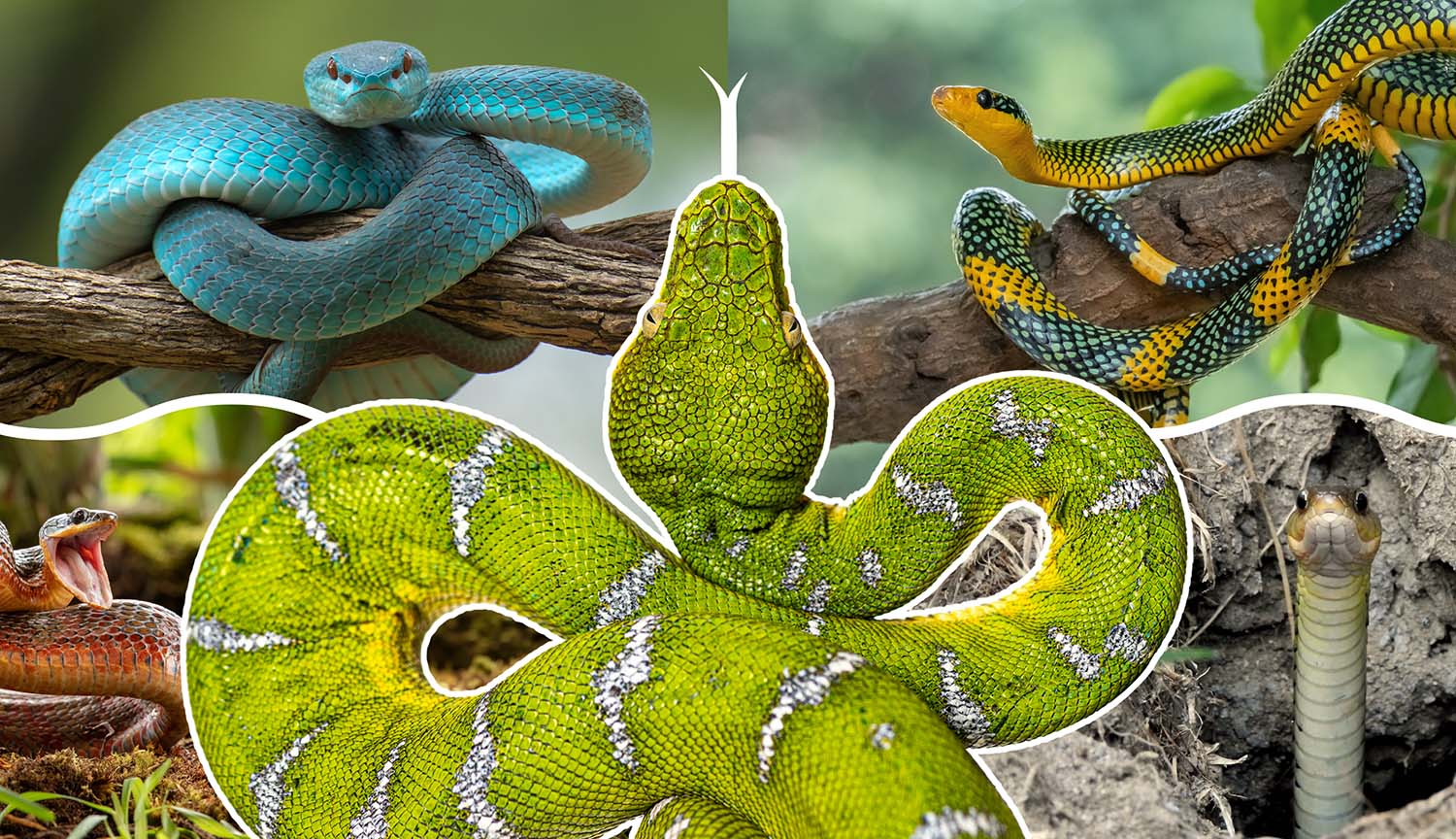
Huge snakes, tiny snakes, poisonous snakes and constrictor snakes, snakes that slither, burrow or swim: New fossils and modern technology are tracing serpent origins
From where the Camellia sinensis bush is grown to whether the leaves are withered or fermented, much can influence the popular drink’s molecular and flavor profile
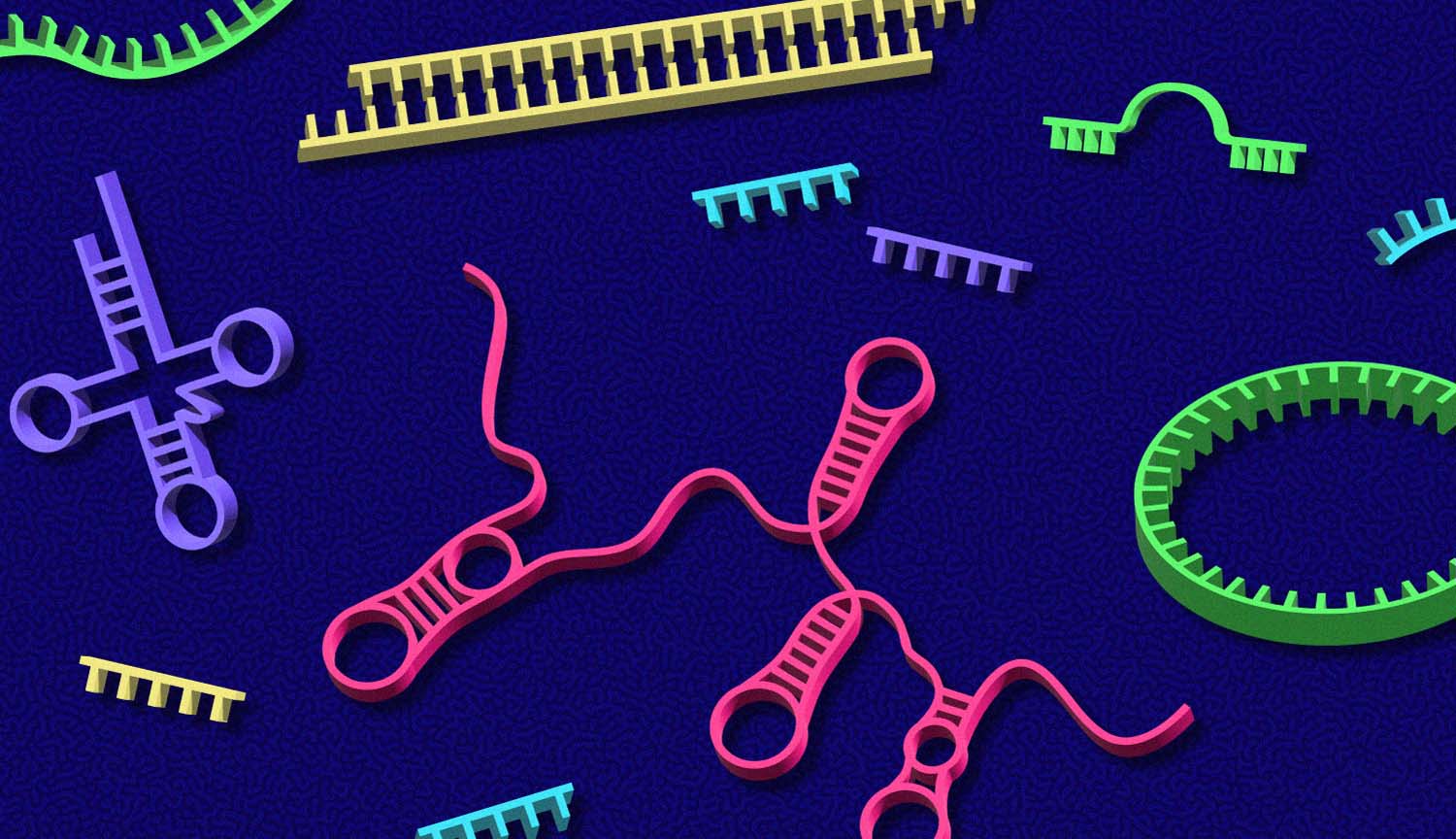
Once considered cellular junk, non-coding RNAs are emerging as key players in everything from brain development to cancer — with much still to be discovered
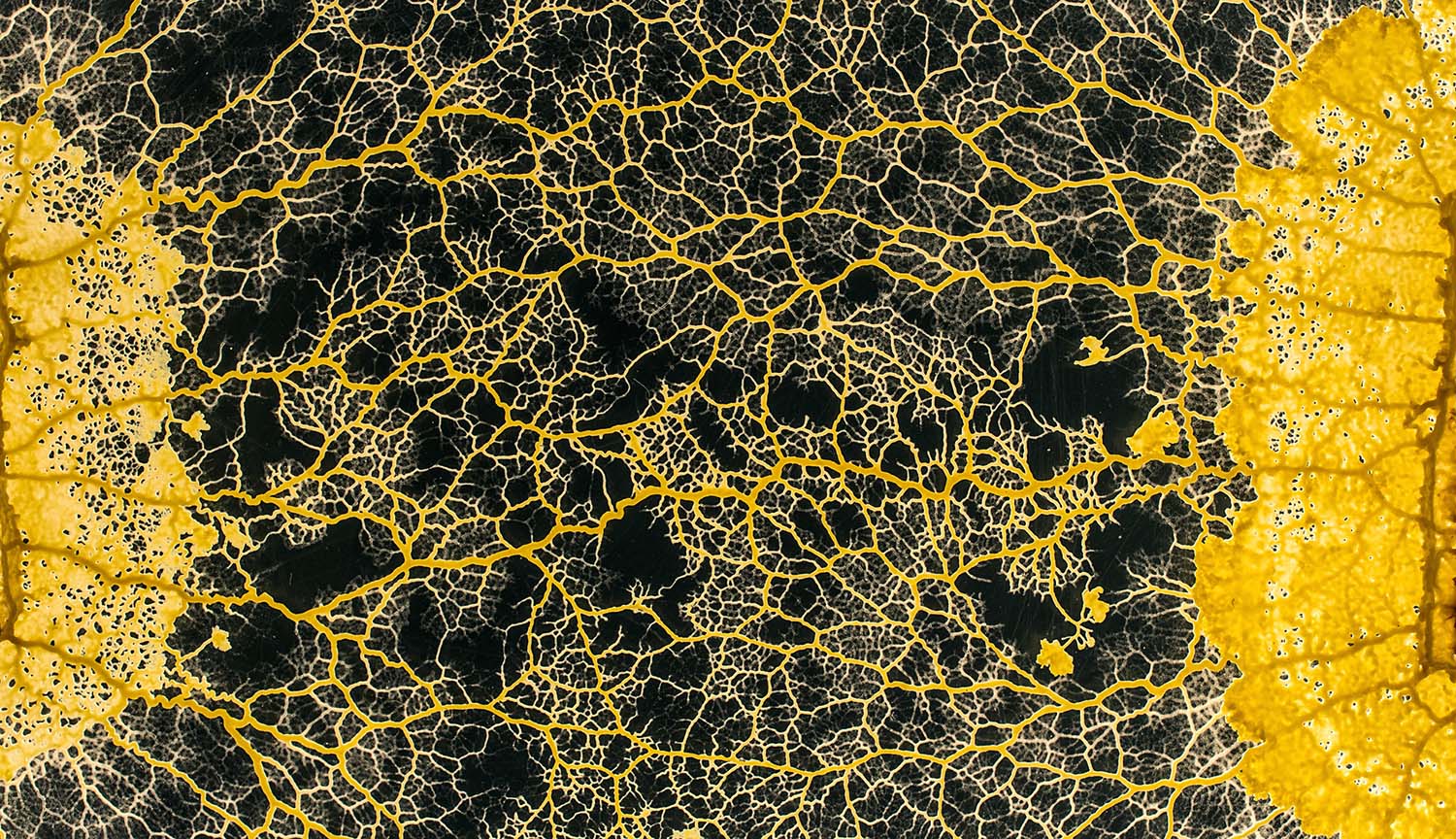
In its quest to feed, avoid nasty substances and just generally live its life, the brainless, one-celled Physarum polycephalum performs some impressive tricks of learning and memory
Knowable Magazine is free to read. But just because our articles are free to read doesn’t mean they are free to produce. If you value our trustworthy science journalism, please support it with a donation.